

Can you get rehab on the NHS, and how long is the wait?
Rehab on the NHS is free, and in 2024 to 2025, 99% of people in England started treatment within three weeks of referral.

In this article
A council-funded residential bed, though, can take months. The NHS runs no residential rehab of its own, and the same OHID figures show that only 2% of adults treated for drugs or alcohol had residential treatment. At Renewed Life Center, a private residential rehab in Lakeside, Cape Town, admission can be immediate and typically happens within three days of first contact.
What are NHS rehab facilities?
NHS rehab facilities are local drug and alcohol services that assess you, treat you while you live at home and, for a few people, arrange a funded place somewhere residential. In England local councils commission this treatment out of their public health grant.
So NHS addiction rehab, for drugs or for alcohol, means the same council-paid local service. It runs community treatment and inpatient detox, and it arranges a residential place only through the council.
The nearest free door to NHS rehab is the drug and alcohol service for the area where you live. You can refer yourself, so you do not need to wait for a GP appointment first. There is no separate list of NHS rehab clinics: local addiction clinics, help with alcohol and any drug rehabilitation centre the council funds are all reached through that one service. NHS drug rehabilitation and NHS alcohol rehab work the same way: the team at that service assesses you first.
How to get into rehab on the NHS, step by step
-
Referral and assessment
Contact your local drug and alcohol service yourself, or get a referral from a GP, a hospital or a social worker (the NHS explains how). A worker then asks about drinking or drug use, health, home life and risks.
-
A treatment plan
Most people get community treatment first. For higher risk, the plan can include an inpatient detox or a recommendation for residential rehab.
-
Funding for residential care
If residential rehab is recommended, the case goes to a council funding panel. Only after a yes does the search for a bed begin, and treatment is followed by support in the community.
With us the order is different, because there is no panel. You pay us directly, so no council and no insurer decides how long you stay. The fee depends on the programme and its length; we give it on the free first call and send it in writing the same day. Ask us for the fee in writing.
What do NHS rehabs offer?
NHS rehabs offer free detox, counselling and group work, links to mutual aid, and, for a small number of people, a council-funded bed in a residential rehab run by a charity or a private provider. There is no such thing as an NHS residential rehab: the bed is always somewhere else, and someone has to agree to pay for it.
Medically assisted detox on the NHS
For most people who need one, an NHS alcohol detox happens at home or in the community, with medication and regular check-ins, and a drug detox on the NHS follows the same pattern. NICE guideline CG115 advises considering inpatient or residential detox for higher-risk drinkers, such as anyone who has had withdrawal seizures. Beds in NHS drug detox centres and alcohol detox centres are few, so even this step can mean a wait. For a person in that group, a detox at home is the wrong plan, and a long wait is the biggest risk. Our medical detox in Cape Town runs with 24-hour nursing.
Addiction counselling
Most people are treated while living at home, which is outpatient drug and alcohol rehab in all but name: sessions with a key worker, groups and, where it fits, medication that helps prevent a return to drinking or treats opioid dependence. Individual counselling is part of the plan for some, and the wait for it is often longer than for the first appointment.
Referrals to community-led organisations
Drug and alcohol services also point people to free mutual aid, and you do not need a referral for any of it. Alcoholics Anonymous, Narcotics Anonymous, SMART Recovery and Cocaine Anonymous run meetings across the UK, in person and online, and you can go tonight. Meetings keep a person connected while they wait; the depression, anxiety or trauma that so often sits underneath needs a treatment team.
Free inpatient rehab: free rehab centres in the UK
Free inpatient rehab in the UK exists, but almost always as a council-funded place. Free alcohol rehab and free drug rehab beds sit in residential centres that, according to the UK clinical guidelines for alcohol treatment, are run by voluntary and private sector organisations, and the council pays for the place. You cannot book free rehab places yourself: free rehab centres take their referrals from the council, so every route leads back to the local service and its funding panel. Every free place starts with an assessment. The bed, if there is one, comes later, and the council sets how long it lasts.
NHS-funded rehab
NHS-funded rehab is a residential place that the council pays for, and it comes at the end of the route. The council decides whether to fund it and for how long. That is how rehab on the NHS for alcoholics and for people using drugs works in England: a clinical recommendation, then a panel, then a free bed.
Rehab in Scotland: how many funded places are there?
Rehab in Scotland had 913 approved statutory funded placements for residential rehabilitation in 2024/25, against a target of 1,000 people a year by 2026, according to the Scottish Government’s monitoring report, published in July 2026. That figure counts funded placements, and for a family in Glasgow the practical question is still how long until a bed.
What should you consider before applying for NHS rehab?
Before applying for NHS rehab, weigh four things: how long the wait for a bed will be, whether your council funds residential care at all, how little say you will have in the treatment, and how much demand there is for the same places.
Waiting times: how long is the NHS waiting list for rehab in 2026?
There is no single NHS waiting list for rehab: the first appointment is quick, and a council-funded residential place can take months. OHID statistics published on 4 December 2025 show that 99% of people who started drug or alcohol treatment in England in 2024 to 2025 did so within three weeks of referral. No national statistic tracks the wait for a funded bed.

The next step takes longer. According to OHID’s data tables, 7% of people waited more than three weeks for a further intervention, and 15% of those treated for drugs and alcohol together.
A funded bed usually needs three things in turn: a clinical recommendation, a funding panel decision and a free bed. Each can take weeks, so the route from referral to a funded bed can run to months. The UK clinical guidelines for alcohol treatment warn that such delays “can be demotivating”, and they ask for funding decisions to be “as streamlined as possible”.
Community treatment is where most people start. If the person drinks every day, has tried before, or has depression or trauma under the use, they need a bed. Message us, and we will book a clinical assessment within three days.
Lack of funding
Funding is short because the money and the residential places were cut for a decade, and some councils add hurdles before they pay. Councils pay for drug and alcohol services out of the public health grant, which the Health Foundation calculates has been cut by 26% per person in real terms since 2015/16. Dame Carol Black’s independent review for the government found that funding for drug treatment fell by 17% between 2014 to 2015 and 2018 to 2019, and that local commissioning of inpatient detox and residential rehab “has decreased substantially in recent years, despite evidence of their effectiveness”. From April 2026, £1.1 billion of the grant is ring-fenced for drug and alcohol services.
2014 to 201525,847
2019 to 202015,161
People treated in inpatient and residential settings in England: down 41% in five years.
Source: Public Health England, adult substance misuse treatment statistics 2019 to 2020
In 2024 to 2025, 5,340 of the 329,646 adults in treatment in England received treatment in a residential setting, according to OHID’s data tables. That count covers residential treatment only, so it cannot be compared directly with the inpatient and residential figure above. Some services also ask people to attend a set number of groups or appointments before a residential place. The 2025 UK clinical guidelines say there should be “no standard requirements” of this kind, because they “can create barriers to accessing treatment”.
Lack of choice
On the funded route the service picks the type of treatment, the council picks the length, and the offer is sometimes a day programme in working hours. What the funded route rarely offers is treatment for the reason under the drinking or drug use, in the same place. Drinking or using rarely starts from nowhere. For many people it began as a way to cope with something older: trauma or the strain of a job that never lets up. NIDA advises treating addiction and mental health conditions at the same time. A family that wants that, or a longer stay than a panel allows, usually has to look outside the funded route; see treating addiction and mental health together.
Demand for treatment
Demand is high and the workforce is thin. With 329,646 adults in contact with services in a single year, each residential place is shared out among many people, and the 2024 national workforce census found that almost one in four drug and alcohol workers (24%) left their post during the year. One family pushing hard will not change any of it, so plan around it.
Is it safe to wait? When you need urgent rehab
Waiting for NHS rehab is not safe when the risk of withdrawal, overdose or suicide is high, and that is when people search for urgent rehab. NICE guideline CG115 advises considering inpatient or residential alcohol withdrawal for anyone who drinks over 30 units a day, has had withdrawal seizures or delirium tremens, or needs to stop alcohol and benzodiazepines at the same time.
| Less urgent | Not safe to wait |
|---|---|
| Alcohol | |
| No history of withdrawal seizures or delirium tremens | Past seizures or delirium tremens, or more than 30 units a day |
| Drugs | |
| No recent overdose or near miss | A recent overdose, or opioids mixed with benzodiazepines |
| Mental health | |
| No thoughts of suicide | Suicidal thoughts or a recent attempt |
| Home and family | |
| Stable housing and people to lean on | Children or vulnerable adults at risk, or housing and work being lost fast |
| Direction | |
| Stable, or changing slowly | Clearly worse from one week to the next |
If anything in the right-hand column applies, the waiting list is the wrong plan.
If the left-hand column describes your family, you have some time, but not much. Message us now, so you know the date and the fee before the choice becomes urgent.
Nobody who drinks every day, or takes benzodiazepines, sleeping tablets or opioids, should stop suddenly on their own while they wait; the NHS warns that stopping alcohol suddenly can be very dangerous. The risk is highest for anyone drinking more than 30 units a day, anyone who has had seizures or delirium tremens (severe withdrawal with confusion, shaking and hallucinations) when stopping, and anyone using opioids with benzodiazepines or who has recently overdosed. If opioids are involved, ask the drug service for take-home naloxone, the emergency antidote to an opioid overdose. For urgent alcohol rehab or urgent drug rehab, message us and we will tell you whether you need a medical detox, and arrange it.
Call 999 or go to A&E now if they are having a seizure; confused, hallucinating or very agitated after stopping drinking; unresponsive or breathing slowly after using drugs; or talking about ending their life, or have tried to.
Three questions to ask tonight.
- Do you, or does the person you are worried about, drink every day?
- Have shakes, sweats, seizures or confusion come on when the drinking stopped before?
- Are diazepam, sleeping tablets or opioid painkillers part of the picture?
A yes to any of them means do not stop suddenly on your own while the list moves. Message us first, and we will tell you whether you need a medical detox and arrange it. Our guide to alcohol withdrawal shows what the first days look like, and how to stop drinking safely explains why the order matters.
What families notice while they wait.
- The bottle count in the recycling has gone up since the referral, not down.
- Mornings start with a drink “to steady the hands”.
- Appointments with the drug service get missed, then cancelled.
- Work has started ringing to ask where they are.
- You have begun to check on them at night to make sure they are breathing.
You do not need proof to write to us, and you do not need the person’s permission. Tell us on WhatsApp what you are seeing, and we will tell you what we would do next.
Get help today: why do UK families choose Renewed Life Center?
UK families choose Renewed Life Center because we treat what sits under the drinking or drug use, with methods from international treatment standards, and the people doing the work have spent decades in this field, several of them in recovery themselves. A funding panel can set the length of a stay, but whether the stay works depends on whether that reason gets treated.
If only the drinking is treated, the older reason is still there on the first bad day back home. At Renewed Life Center, depression, anxiety and trauma are treated alongside the addiction, in one house and on one plan, from the first month. We use cognitive behavioural therapy, which NICE recommends for alcohol dependence and which changes the thinking that leads back to a drink, and family therapy, which brings the people at home into the plan, alongside relapse prevention and 12-step work. For trauma we use EMDR, which NICE and the WHO recommend for PTSD. Schema therapy, DBT and TRE are our own additions for the depression, anxiety and trauma underneath.
Ruby Weber, our psychologist, has worked with South African and international clients in addiction for more than twenty years and leads the psychological side of our dual diagnosis work. Two of the people who run the programme are in recovery themselves: Nikki Edwards, our Programme Director and Clinical Manager, for 11 years, and John Roberts, our Operations Manager, for 39. Leila Bolland, social worker and therapist, has been in practice since 2015, and Dr John Wulz, our GP, sees clients on site. Meet our clinical team. Tell us what is happening, and we will tell you how we would treat it.
What is rehab in Cape Town like for someone from the UK?
Rehab in Cape Town for someone from the UK is a residential programme in a house in Lakeside, where every weekday is built around the work on what drives the drinking or drug use. International clients, including those from the UK, are a primary focus of our practice. Renewed Life Center treats alcohol, cocaine, cannabis and prescription-pill addiction, along with the depression, anxiety and trauma that often come with them.
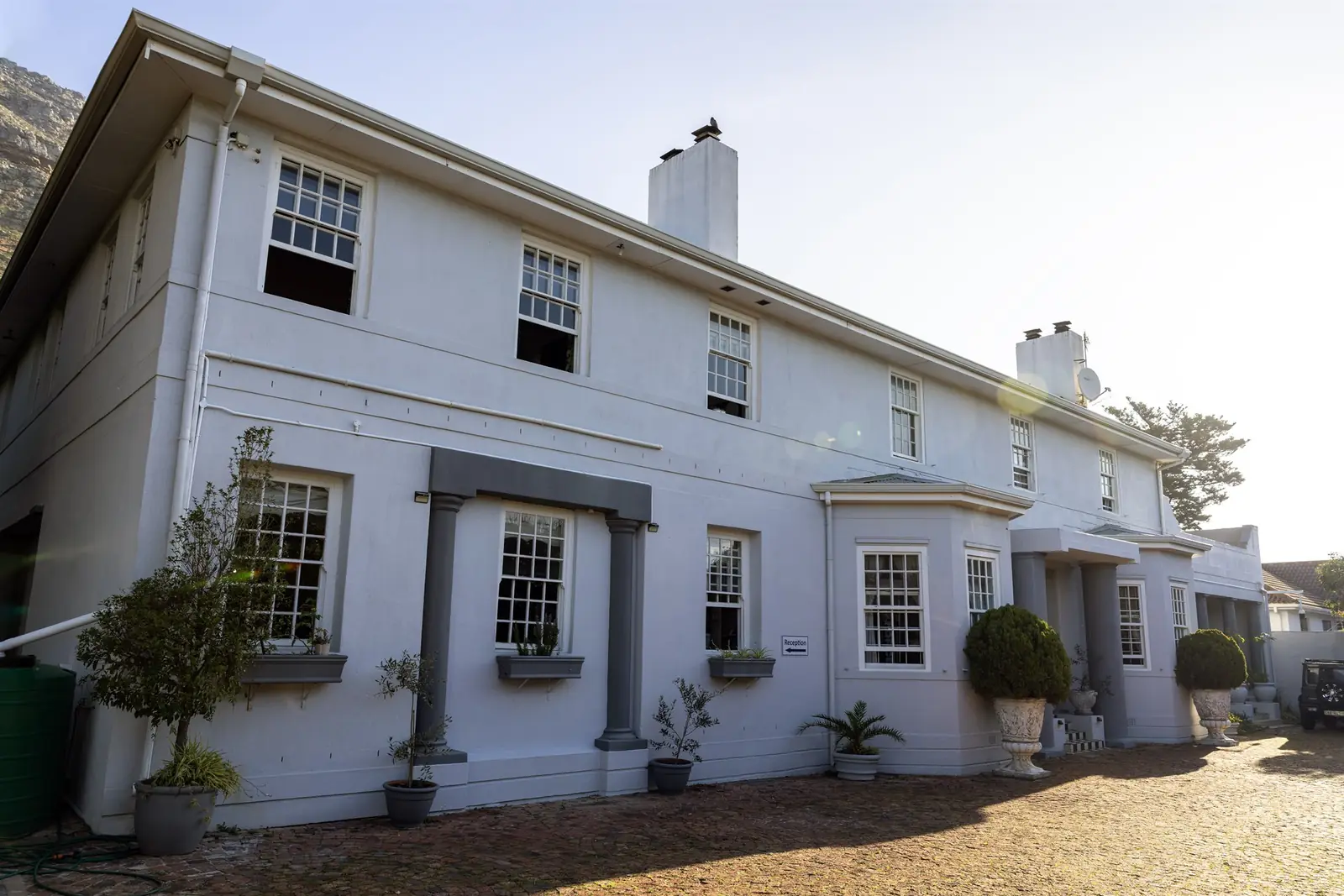
The day starts at 07:00 with a group called Just for Today, then a walk and, on the days you have one, a one-to-one session. Until four there are groups: DBT for the moment a craving hits, schema therapy for the patterns behind it, relapse prevention, a process group, Family Sculpture. From 16:15 you work on your steps, and every evening there is a 12-step meeting. Drug and alcohol tests happen on arrival and at random, so the house stays safe for everyone in it.
By the end of the first month the work has reached what the drinking was covering, and that is where Phase 2 begins: two one-to-one sessions a week, IFS and schema groups, and work on trauma, relationships and identity that a 28-day stay rarely reaches. Relatives in the UK stay part of it: a family support group every Wednesday at 18:00 Cape Town time on Zoom, family therapy sessions in person or by video, and visitors on Sundays from 12:00 to 17:00. See our family therapy approach and what a day in rehab looks like.
You pay us directly, and one fee covers the stay, meals, therapy, GP care and medical detox with 24-hour nursing where clinically indicated. For clients from the UK we meet you at Cape Town airport, take you back when you leave and help with the visa paperwork. Read how going to rehab abroad from the UK works, step by step and what UK families ask about safety in South Africa.
Private rehab in the UK or abroad: what does it cost?
Private rehab skips the NHS queue entirely, and the price is the trade-off. From the prices one UK clinic, Abbington House, lists on its website, fully residential private addiction treatment costs about £12,000 to £16,000 for 28 days, and cheaper fees of £6,000 to £8,000 buy day treatment with accommodation arranged separately. That is the answer to how much is rehab in the UK; see what private rehab costs in the UK compared with Cape Town.
The best rehab in the UK is the one that treats the reason for the addiction. Whether you are comparing private rehab clinics or alcohol rehab centres, ask each one the same thing: what do you do about the depression, anxiety or trauma underneath, and for how long? A clinic with no answer only treats the use. Detox treats the withdrawal, which is only the first step.
| NHS-funded | Renewed Life Center |
|---|---|
| First step | |
| 99% start treatment within 3 weeks of referral | A free first call, then a clinical assessment within 3 days |
| Residential place | |
| Needs a council funding decision and a free bed, which can take months | Admission can be immediate, typically within 3 days of first contact |
| Length of stay | |
| Set by the funding decision | One-month phases, with two months the recommended standard |
NHS figures: OHID, 2024 to 2025.
Length of stay. NIDA’s treatment guide says participation for less than 90 days is of limited effectiveness. A 2 week rehab or a 28-day package ends before the deeper work starts. We plan in months because the work comes in stages: Phase 1 steadies you and starts work on the reason, Phase 2 goes deeper into trauma, relationships and identity, and two months is the standard we recommend.
Privacy. NHS treatment goes on your NHS record, which is confidential and is not shared for insurance purposes unless you ask. Treatment at Renewed Life Center is private and paid directly, with no insurer involved; see confidential treatment for professionals. Every discharge includes a written relapse-prevention plan built for the client’s home environment, and we coordinate the aftercare and sober living that follows.
A funded bed waits for a panel. Here the work on the reason starts in the first week. When you write, a person replies the same day, and the first conversation takes 20 to 40 minutes by WhatsApp, video or phone, free and confidential. We ask what is being used, for how long and what has been tried, then book a clinical assessment within three days. Work, money, “it is not that bad yet” and privacy are the questions we hear most, and we answer each of them on that call.
Nobody arrives with the right words, and nobody needs them. “We have been told to wait” is enough to start, and a partner or parent can write for the person. Write to us on WhatsApp today.
Frequently asked questions
Refer yourself to your local drug and alcohol service, or go through your GP. The service assesses you and usually starts with community treatment. A residential place needs a recommendation and a council funding panel, and each step adds weeks. To get into rehab without that queue, message us: admission can be immediate and typically happens within three days of first contact.
Yes. Charities run many of the services councils pay for, and Alcoholics Anonymous, Narcotics Anonymous, SMART Recovery and Cocaine Anonymous are free and need no referral. A free residential bed in a charity rehab still goes through council funding, so the wait is the same.
The NHS offers inpatient detox for higher-risk cases, but no residential rehab of its own. A residential place is run by a charity or private provider and paid for by the council after a funding panel agrees.
The better rehab is the one that treats the reason for the drinking or drug use and starts before things get worse. NHS treatment is free but the residential wait can run to months; one UK private rehab centre, Abbington House, lists fully residential treatment at about £12,000 to £16,000 for 28 days. With us admission typically happens within three days of first contact, and the stay is planned in months.
In effect, yes: a council-funded residential place is in a rehab run by a charity or a private provider. You do not choose which one, and the council decides whether to fund it and for how long, so the wait and the length of stay are set by the panel, not by you.
The best rehab for you treats the reason under the drinking or drug use, uses methods such as the CBT that NICE recommends for alcohol dependence, and lasts long enough: NIDA’s treatment guide says participation for less than 90 days is of limited effectiveness. One UK clinic, Abbington House, lists fully residential private treatment at about £12,000 to £16,000 for 28 days. Ask drug rehab clinics and treatment centres for alcoholics the same thing: what do they do about that reason, and for how long? We plan in months and treat the reason from the first week.
Contact the local drug and alcohol service yourself or go through your GP. The first appointment is usually quick, and a residential place needs a recommendation and a council funding decision. If you cannot wait for that, message us.
Two weeks covers detox and the first stage only. NIDA calls under 90 days of limited effectiveness. We plan in months, from the first call.
Yes, on the NHS. Drug and alcohol treatment funded by the NHS and local councils in England is free at the point of use, including community treatment, inpatient detox and, where the council funds it, residential rehab. Free drug abuse treatment and free detox centres are reached through the same local service. Private rehab is paid for by the client.
Ask the drug and alcohol service why, and whether the decision can be reviewed. A review takes time, and a place with us needs no funding panel: message us and we will tell you whether admission can start within three days of first contact.
You cannot generally force an adult into rehab in the UK. In England and Wales, the Mental Health Act 1983 says dependence on alcohol or drugs does not by itself count as a mental disorder, so on its own it is not grounds for detention. What a family can do is prepare the conversation well: see how to talk to someone about going to rehab. A relative can also make the first call to us before the person has agreed to anything.
Yes. Back in the UK, you can refer yourself to your local drug and alcohol service like any other resident. Every Renewed Life Center discharge includes a written relapse-prevention plan built for your home environment, and we coordinate your aftercare before you fly home.
Sources
- Office for Health Improvement and Disparities: adult substance misuse treatment statistics 2024 to 2025 (4 December 2025)
- NHS: drug addiction, getting help
- NICE guideline CG115: alcohol-use disorders, diagnosis, assessment and management
- Department of Health and Social Care: UK clinical guidelines for alcohol treatment, residential treatment (2025, updated April 2026)
- Scottish Government: National Mission on Drugs, annual monitoring report 2024-2025 (28 July 2026)
- The Health Foundation: investing in the public health grant (February 2025)
- Dame Carol Black: review of drugs, part two (2021)
- Department of Health and Social Care: public health ring-fenced grant 2026 to 2027
- Public Health England: adult substance misuse treatment statistics 2019 to 2020
- Office for Health Improvement and Disparities: adult substance misuse treatment statistics 2024 to 2025, data tables (table 8.2)
- NIDA: co-occurring disorders and health conditions
- NHS England and OHID: drug and alcohol treatment and recovery services workforce census 2024
- NHS: alcohol-use disorder
- Department of Health and Social Care: supplying take-home naloxone without a prescription
- WHO and UNODC: International Standards for the Treatment of Drug Use Disorders (2020)
- NIDA: Principles of Drug Addiction Treatment, third edition
- NHS: how confidential patient information is used
- Mental Health Act 1983, section 1
This article is general information, not medical advice.
Told to wait, and not sure it is safe? Talk to us today.
A free first conversation, a clinical assessment, and admission that can be immediate and typically happens within three days of first contact.
or call +27 79 880 0045
Calling about someone else? You do not need their permission to message us.