

What are the symptoms of benzodiazepine and Xanax withdrawal, and how do you stop safely?
Benzodiazepine withdrawal, Xanax (Xanor) and Urbanol included: the symptoms, a timeline for short- and long-acting benzos, why stopping suddenly can cause seizures, how a safe taper works and what a medical detox in Cape Town looks like.

Benzodiazepine withdrawal, Xanax withdrawal included, means sleepless nights, anxiety that comes back harder than before, shaking, sweating, cramps and sometimes seizures, which is why benzos are never stopped all at once. Withdrawal from a short-acting benzo such as alprazolam can start within 1 to 2 days of the last dose. The safe way off is a gradual reduction with someone watching.
In South Africa alprazolam is sold as Xanor, and clobazam as Urbanol. If you have been taking either for more than a few weeks and want to stop, read on for what withdrawal feels like, how long each stage lasts, when it becomes dangerous and how a medical detox at Renewed Life Center, our residential centre in Lakeside, Cape Town, handles it.
Want to come off Xanor or Urbanol without a seizure risk? Message us and we will tell you whether you need a medical detox and help you arrange it. We reply the same day.
What are the symptoms of benzo withdrawal?
The core symptoms are insomnia, anxiety and agitation, tremor, sweating, stomach and muscle cramps, vomiting and a strong pull to take another tablet. The most serious is a seizure. The South African Xanor leaflet lists “inability to sleep, stomach or muscle cramps, vomiting, sweating, convulsions/seizures” for anyone who stops too quickly or abruptly.
Most people describe it in plainer terms. Your heart races for no reason. Ordinary noise feels too loud. You lie awake until four and wake up already on edge. The anxiety the tablets were prescribed for comes back, often worse than it was at the start, and it is easy to read that as proof you need the pills, when part of it is the withdrawal itself.
- Sleep: hard to fall asleep, broken nights, vivid dreams.
- Mind: anxiety, panic, irritability, poor concentration, a sense of unreality.
- Body: tremor, sweating, palpitations, muscle stiffness and cramps, headache, nausea.
- Senses: sensitivity to light, sound and touch.
- Craving: drug craving, insomnia, agitation, and seizures are the four signs the MSD Manual names first.
The symptoms do not move in a straight line. They “characteristically wax and wane”, varying from day to day and even within a single day, as Professor Heather Ashton wrote in her benzodiazepine withdrawal manual. A good Tuesday followed by a terrible Wednesday is normal, and it does not mean the process has failed.
How long does benzodiazepine withdrawal last?
The acute stage lasts days to weeks, depending on how quickly the drug leaves the body. Short-acting benzos such as Xanor start within a day or two. Long-acting ones such as Urbanol or diazepam start later, anywhere up to three weeks after stopping, according to NHS Scotland prescribing guidance. A planned taper takes longer than either, because it is spread out on purpose.
| Stage | Short-acting: Xanor (alprazolam), lorazepam | Long-acting: Urbanol (clobazam), diazepam |
|---|---|---|
| First symptoms | Within 1 to 2 days of the last dose | Several days to a week after stopping |
| Highest seizure risk | The first days after a sudden stop | Later and slower, still present after a sudden stop |
| Acute window | Days to a few weeks | Symptoms can appear at any point up to three weeks |
| Gradual taper, if planned | Weeks to months, set by the dose and how long it was taken | |
| Protracted symptoms | In some people, months or longer after the last tablet | |
Onset times are from the MSD Manual and NHS Scotland. The long tail is real too: a 2025 joint clinical guideline led by the American Society of Addiction Medicine notes that some patients have protracted withdrawal symptoms that can last for months or years. Ashton estimated that perhaps 10-15 per cent of long-term users develop a drawn-out post-withdrawal syndrome. Those are the months when people most often go back to the tablets, and that stretch is what treatment after detox exists for.
What is different about Xanax (Xanor) withdrawal?
Xanax withdrawal comes on faster and harder than withdrawal from most benzos, because alprazolam is short-acting and strong. In South Africa the same drug is sold as Xanor, a Schedule 5 prescription medicine, and everything written about Xanax online applies to it.
Three things set it apart. The gap between doses is short, so people feel a mini-withdrawal between tablets and start taking them earlier and earlier. A sudden stop hits within a day or two. And alprazolam, unlike other benzodiazepines, has been linked with hallucinations, usually visual, during withdrawal. Seeing things that are not there after stopping Xanor is a withdrawal symptom, and whoever is supervising the detox needs to know the same day.
This is why a Xanor taper usually starts with a switch. The 2025 guideline allows clinicians to move a patient to a comparable dose of a longer-acting benzodiazepine for the taper, which smooths out the peaks and troughs between doses. That decision, and the dose, belong to the doctor running the detox.
What does Urbanol withdrawal feel like?
Urbanol withdrawal feels like any benzo withdrawal: poor sleep, rising anxiety, tremor and tension. It usually starts later than Xanor withdrawal and fades more slowly, because clobazam stays in the body longer. Its quieter start catches people out. They stop, feel fine for three or four days, decide they were never dependent, and then the second week arrives.
Some people take Urbanol for anxiety, others alongside epilepsy treatment, as our guide to Urbanol (clobazam) in South Africa explains. Where it is part of seizure control, a sudden stop is doubly risky, and the taper has to be planned around the epilepsy as well as the withdrawal. The same guide covers how long Urbanol stays in your system and how a safe Urbanol taper is built.
Is it dangerous to stop benzos cold turkey?
Yes. If someone is physically dependent, stopping benzodiazepines suddenly can cause seizures, confusion and psychosis, and the 2025 guideline says abrupt discontinuation or steep dose cuts “can lead to serious and potentially life-threatening withdrawal symptoms“. Physical dependence can build within weeks, even on a normal prescribed dose.
NHS Scotland’s guidance lists what a sudden stop can produce: confusion, toxic psychosis, convulsions or a state resembling the delirium tremens of alcohol withdrawal. The risk climbs with high doses, long use, short-acting drugs like Xanor, and drinking on top of the tablets, because alcohol withdrawal and benzo withdrawal add to each other.
If someone is fitting, confused and agitated, or seeing things after stopping benzos, call 10177, or 112 from a cellphone, now.
How do you taper off benzodiazepines safely?
You reduce the dose in small steps, slowly, with a clinician adjusting the pace to how you are coping. The 2025 guideline suggests starting with reductions of 5 to 10% every 2 to 4 weeks, and generally no faster than 25% every two weeks. Done that way, the seizure risk drops a long way.
Ashton made the same point long before the guideline: withdrawal fits after high-potency benzos are a rebound reaction to rapid withdrawal, and are extremely rare with slow dosage tapering. A taper also makes room for the other work. Sleep has to be rebuilt without a pill. Anxiety has to be met with something other than a tablet, whether that is therapy, breathing, structure or exercise, before the last dose goes.
Two things wreck a taper: speeding up because a few good days felt like the finish line, and topping up with alcohol, someone else’s tablets or extra Stilnox to get through a bad night. Stilnox (zolpidem) is not a benzodiazepine, but it acts on the same system, and swapping one for the other only moves the dependence.
Can you come off benzos at home, or do you need a medical detox?
A slow taper at home can work for someone on a modest dose with a prescriber who sees them often. Once the dose is high, the use is long, alcohol or other drugs are involved, or a past attempt ended in a seizure or confusion, the guideline advises inpatient or medically managed residential care. Most people who reach out to us fit the second description.
The signs that home is the wrong place are usually obvious to the family before the person admits them: tablets from more than one doctor or from someone else’s prescription, doses taken earlier every week, drinking to get to sleep, two failed attempts to cut down. Message us with what you are taking and for how long, and we will tell you whether you need a medical detox and help you arrange it.
What does a benzo detox look like at our centre?
A medical detox at Renewed Life Center starts with an assessment of what you take, how much and for how long, and what happened the last time you tried to stop. Detox runs with 24-hour nursing supervision, a resident GP sees you on site, and any medication to steady the taper is prescribed by a doctor for you, not taken from a fixed schedule.
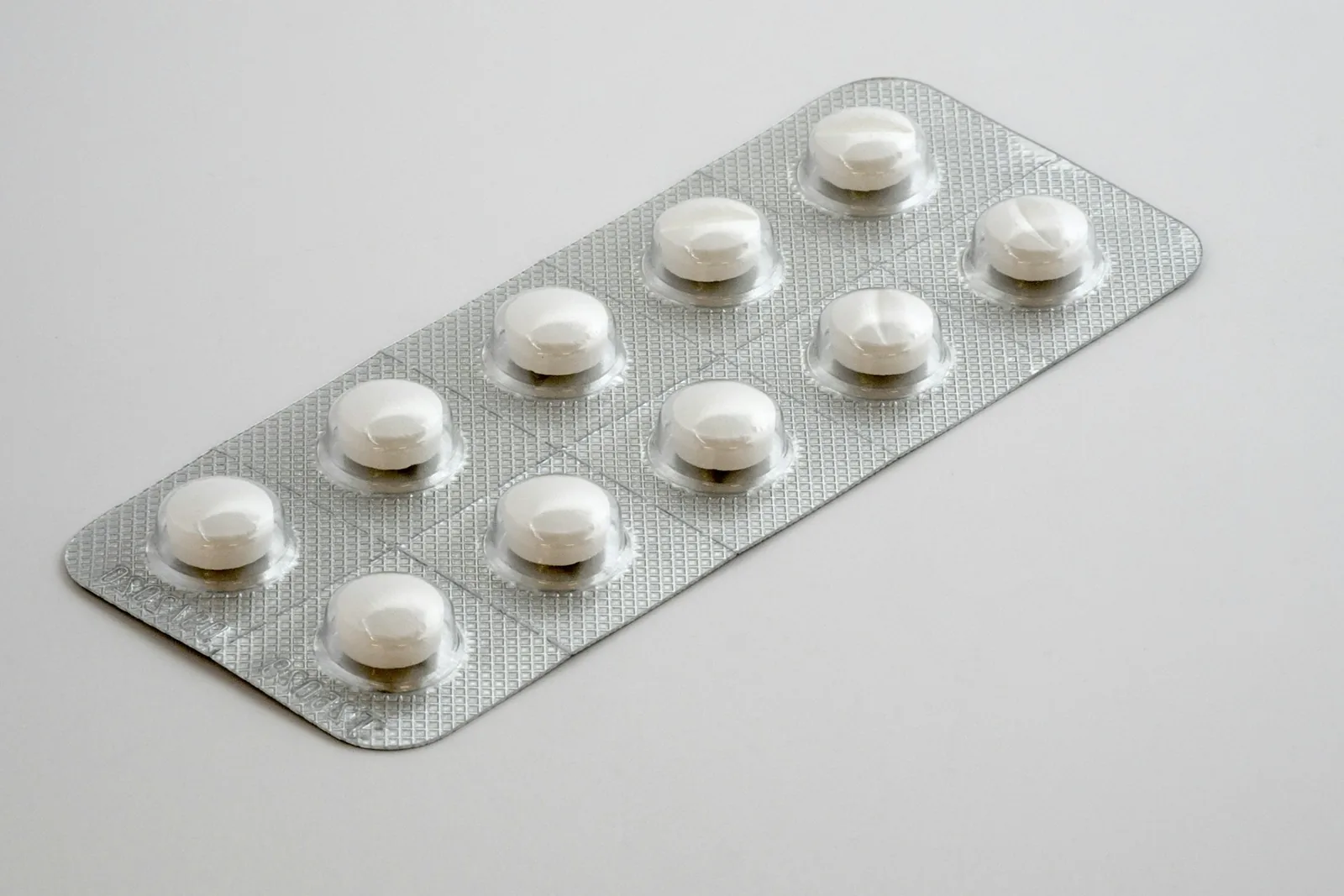
Night-time is when benzo withdrawal is at its worst, so the night is when supervision matters most. Around the detox, the day keeps its shape: up at 07:00, meals from our kitchen, a walk, and therapy as soon as you are steady enough to use it. Our house is in Lakeside, in Cape Town’s Southern Suburbs, close to Muizenberg beach, with the mountain ridge right behind it.
More detail on how the first days run, for every substance we detox, is on our medical detox in Cape Town page. If alcohol is part of the picture, read alcohol withdrawal symptoms, day by day as well.
What happens after benzo detox?
The work moves on to whatever the tablets were treating. Most people were first given a benzo for anxiety, panic or sleep, and those problems are still there when the last dose is gone, often louder for a while. Therapy has to answer them, or the prescription comes back.
In our programme that work starts in the same house, with the same team. Ruby Weber, our psychologist, leads the psychological side of our dual diagnosis work, and a psychiatrist selects medication where it is needed. The weekday runs on a one-to-one session in the morning and groups until four, including schema therapy, DBT and relapse prevention, with trauma release exercises and yoga in the afternoon. Every discharge includes a written relapse-prevention plan built for the life you are going back to, including a plan for the nights you cannot sleep.
Anxiety and depression that sit under benzo use are treated on one plan with the dependence. See dual diagnosis treatment in Cape Town for how that works.
What else do people ask about benzo withdrawal?
The acute part starts within a day or two of the last dose and usually lasts days to a few weeks after a sudden stop. A planned taper takes longer, often weeks to months, because the dose comes down in small steps. Some people have milder symptoms for months afterwards.
Yes. The Xanor leaflet lists convulsions and seizures among the symptoms of stopping too quickly. The risk is highest after a sudden stop from a high dose, and very low with a slow, supervised taper.
Possibly. Physical dependence can develop within weeks, even on a prescribed dose. If you get anxious, shaky or sleepless when a dose is late, your body has adapted, and the dose should come down gradually rather than stop.
No. Stilnox (zolpidem) is a Z-drug, a different family, but it works on the same brain system and it can also cause dependence and rebound insomnia. Our Stilnox guide covers how coming off it is managed.
No. Lyrica (pregabalin) belongs to a different drug class, though people do become dependent on it, and some take it alongside benzos. If you use both, the detox plan has to cover both. We cover pregabalin and how coming off it works in is Lyrica addictive?
Because benzo withdrawal moves in waves. Symptoms rise and fall from day to day and even within one day. A bad day after a good one is part of the pattern, not a sign the taper is failing, and it is no reason to speed up or go back to the full dose.
This article is general information, not medical advice.
Sources
- Joint clinical practice guideline on benzodiazepine tapering, led by the American Society of Addiction Medicine, Journal of General Internal Medicine (2025)
- MSD Manual Professional Edition: benzodiazepines and barbiturates
- NHS Scotland, Right Decisions: benzodiazepines and Z-drugs, discontinuation and withdrawal symptoms
- SAHPRA: Xanor patient information leaflet (PDF)
- Ashton CH, Benzodiazepines: how they work and how to withdraw, chapter 3
- Western Cape Government: emergency numbers
Coming off benzos is safer with someone watching the nights.
A free, confidential first call, then medical detox with 24-hour nursing supervision and a resident GP. Admission can be immediate and typically happens within three days of first contact. We reply the same day.
Free first conversation of 20 to 40 minutes, by WhatsApp, video or phone. We reply the same day.

Leave a request for consultation
Tell us a little about the situation. The first conversation is free and confidential, and we reply the same day.