

Can you get addicted to weed?
Yes: 22% to 30% of people who use cannabis develop cannabis use disorder. The signs, who is most at risk, South African dagga law since 2018 and 2024, SACENDU numbers for Cape Town, and what treatment helps.
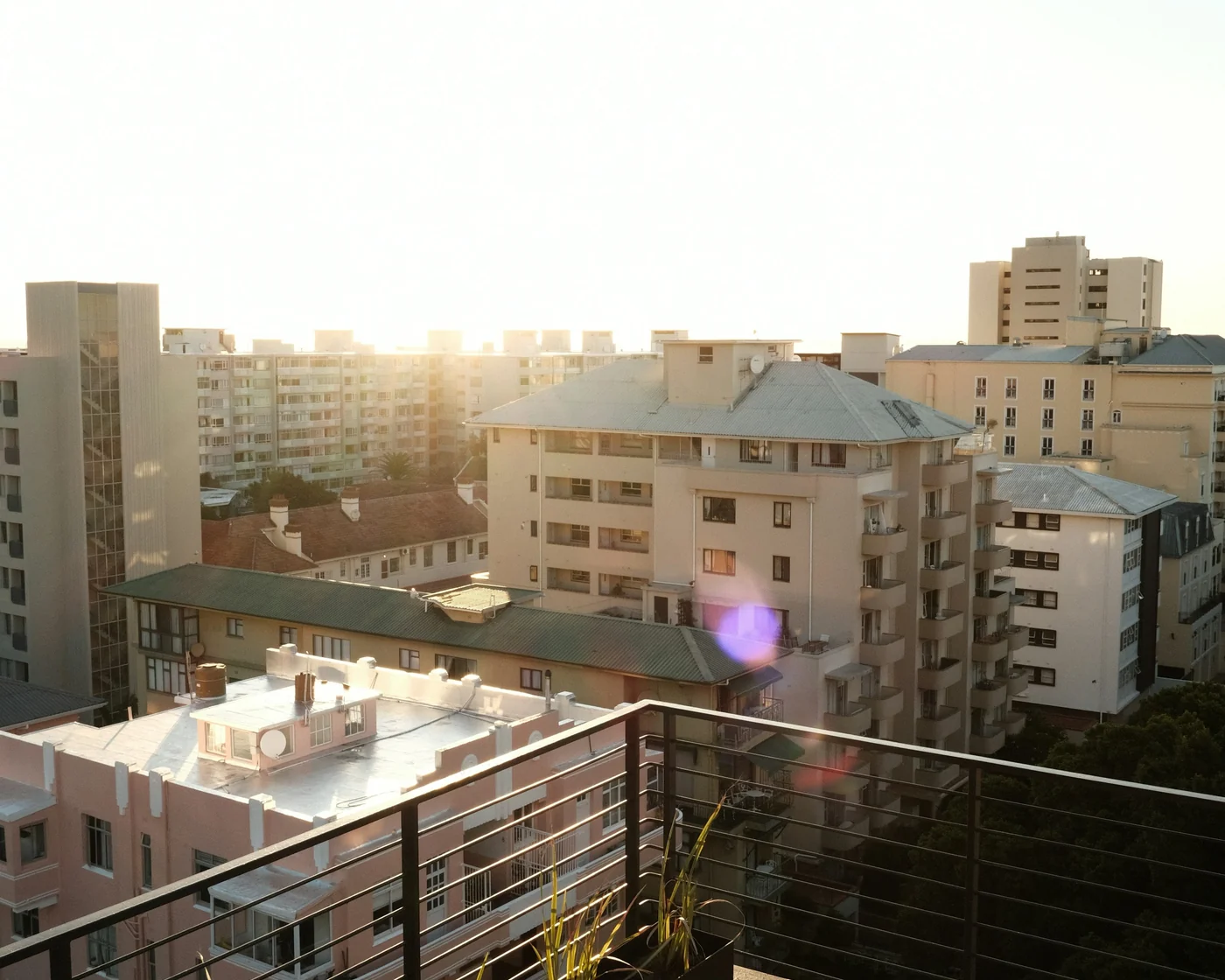
It usually starts as the joint that takes the edge off after work, or the one that gets you to sleep. Yes, you can get addicted to weed: between 22% and 30% of people who use cannabis develop cannabis use disorder, and the CDC puts it at roughly three in ten, higher again for daily use that started young. In South Africa smoking at home has not been a crime since the Constitutional Court ruling of 2018 and the Cannabis for Private Purposes Act of 2024, but neither law changes what cannabis does to people who use it often.
Wondering whether your own use, or someone else’s, has crossed a line? Message us for a free, confidential call. Twenty to forty minutes, we reply the same day.
Below are the signs clinicians look for, who is most at risk, how much stronger today’s weed is, and what treatment works. Renewed Life Center in Lakeside, Cape Town, treats cannabis use disorder with therapy, together with whatever the cannabis was doing for you: the anxiety, the sleep, the low mood. If you are reading this about a partner, or an adult son or daughter who still smokes every night at thirty, the same facts apply to them.
Is weed addictive?
Yes, weed (dagga) can be addictive, though most people who try it never develop a disorder. The National Institute on Drug Abuse (NIDA) estimates that 22% to 30% of people who use cannabis develop cannabis use disorder, and the US Centers for Disease Control and Prevention states plainly that “approximately 3 in 10 people who use cannabis have cannabis use disorder”, with the risk climbing further for anyone who started young or uses often.
That is not a small number, and it sits oddly with how casually cannabis gets talked about at dinner parties in Cape Town and London alike.
What is cannabis use disorder?
It is a clinical diagnosis, not a moral judgement, and it is not the same thing as smoking every day. NIDA defines cannabis use disorder as “a pattern of use that leads to clinically significant impairment or distress”, present when a person has had two or more of a set list of symptoms within a twelve-month period.
Those symptoms cluster around four themes clinicians look for: using more, or for longer, than intended; wanting to cut down and not managing it; cravings strong enough to crowd out other things; and cannabis use continuing even once it is visibly costing something, at work, at home or in a relationship. Tolerance, needing more for the same effect, and withdrawal on stopping both count too.
Plenty of people use cannabis daily for years without ever meeting that bar. What separates ordinary regular use from disorder is not the calendar, it is whether the person still has a choice about it, and whether stopping for a month would be straightforward or would need help.
Who is more likely to become dependent?
Age at first use and how often someone uses matter more than anything else. NIDA is direct on both counts: “using cannabis at a younger age in particular increases the likelihood of developing a cannabis use disorder later in life”, and separately, “the strongest predictor of cannabis use disorder is how often someone uses it, but other factors, like a family history of drug use and how long a person has been using cannabis, can also play a role.”
What raises the risk
- Starting young. The earlier cannabis use begins, the higher the lifetime risk of the disorder.
- Frequency, above everything else. Daily or near-daily use is the single strongest predictor.
- Family history of drug use. A parent or sibling’s history plays a role, though it is not the deciding factor on its own.
- How long someone has been using. Years of regular use compound the other factors rather than replacing them.
None of this is about willpower. It is closer to how alcohol works: most people who drink socially never develop alcohol use disorder, but the ones who start early and drink often are the ones clinicians watch.
Is today’s weed stronger than it used to be?
Yes, several times stronger. NIDA reports that “between 1995 and 2022 the delta-9 THC potency (strength) in illegal cannabis products seized by law enforcement quadrupled from 3.96% to 16.14%.” That is not a subtle shift, it is roughly four times the THC in the same-sized joint.
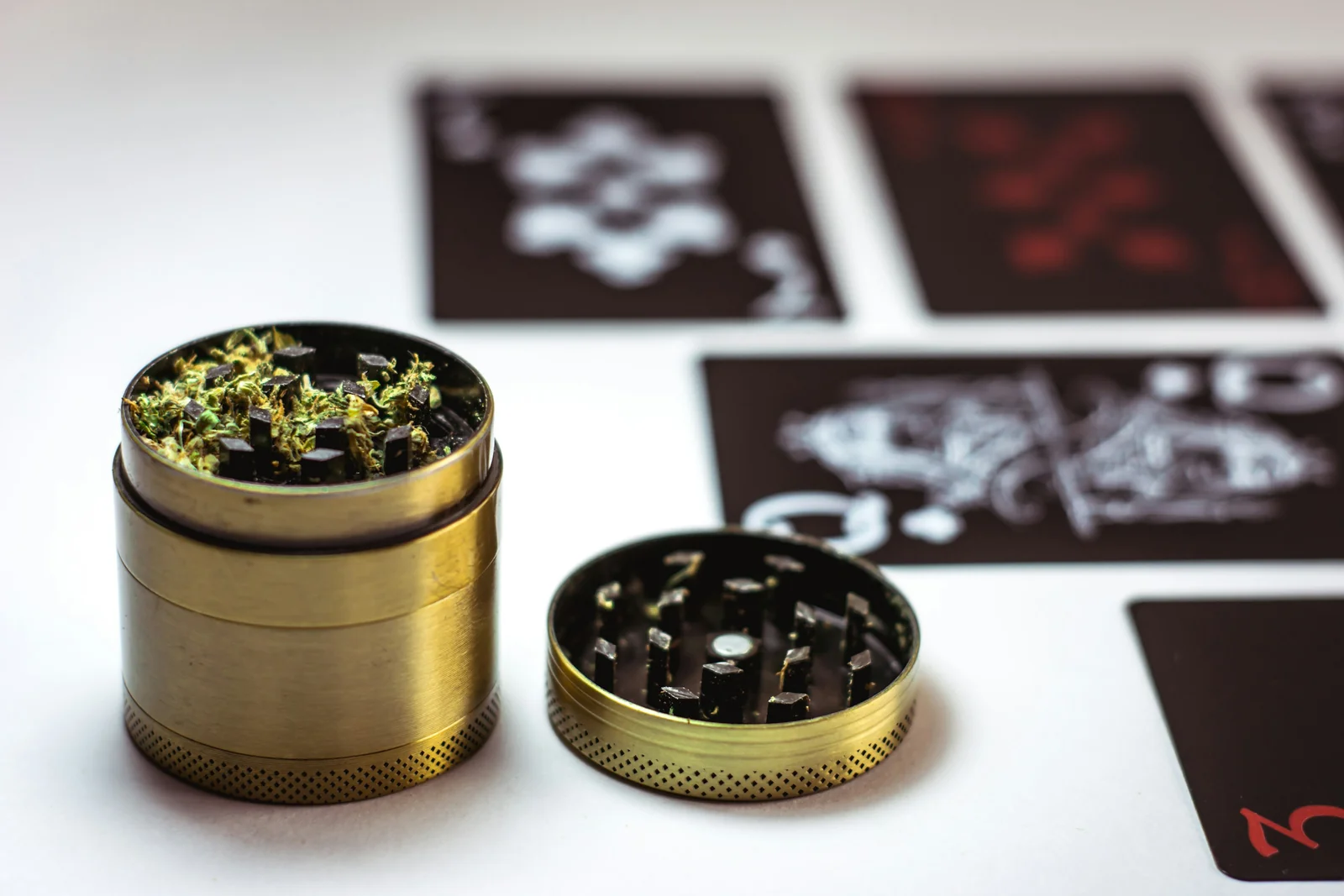
A stronger product delivers more THC per session, whatever the dose someone thinks they are taking. That is one reason clinicians are cautious about “I’ve smoked for twenty years and I’m fine”: a habit built on the cannabis of the 1990s is not the same habit once the product itself has changed underneath it. This is context for the risk factors above, not a separate one on its own.
Is cannabis legal in South Africa, and does that mean it is safe?
It is decriminalised for adults in private, not simply legal, and no, that has no bearing on whether it can become an addiction. On 18 September 2018, South Africa’s Constitutional Court ruled that a section of the Drugs Act was “unconstitutional and, therefore, invalid to the extent that it prohibits the use or possession of cannabis by an adult in private for that adult’s personal consumption in private.” The same judgment struck down the equivalent ban on growing it, ruling that cultivating cannabis by an adult in a private place for personal consumption was also constitutionally invalid.
The court was equally clear about the limits: “the use or possession of cannabis by a child anywhere, or by an adult in public, is not decriminalised.” Parliament then codified all this into statute. The Cannabis for Private Purposes Act, 2024 (Act No. 07 of 2024), was signed into law on 28 May 2024, and it defines an “adult person” as someone who is 18 years or older.
What the Act does not yet do is set numbers. Government’s own position is that “while the Constitutional Court did not prescribe specific limits on the quantity of cannabis that may be possessed or cultivated for private use, it left this determination to Parliament”, and the regulations that will fix those limits were still in draft during 2026. None of this changes the clinical picture. A habit that is entirely lawful can still be a habit someone cannot stop, and “it’s legal now” answers a legal question, not a medical one.
How common is dagga addiction in Cape Town and South Africa?
Common enough to be one of the main reasons people enter specialist treatment. The South African Medical Research Council’s SACENDU research brief, covering January to June 2025 and published in May 2026, records that “admission rates for cannabis remained relatively high for the current period (37% increasing from 33% in 2024b).”
In the Western Cape specifically, cannabis sits third among the substances people are treated for. The same report found that “in the Western Cape (WC) … the three most common primary substances of use reported by 33 specialist treatment centres/programmes were MA (30%), alcohol (26%) and cannabis (24%).” Nationally, the picture skews younger still: cannabis “contributed 73% of all admissions among individuals 18 years and younger”, the report notes, a reminder that this is not only an adult story even though this page is written for adult readers and the parents of adult children.
What are the signs it is time to get help?
The clearest signs are loss of control and interference with ordinary life, not the amount smoked. Using more than intended, failed attempts to cut down, and cannabis reshaping a day around it without anyone quite noticing are what clinicians look for over the specific gram count.
Signs people recognise in themselves or someone close to them
- You have tried to cut down or stop and could not make it stick.
- Getting, using or recovering from cannabis takes up a growing part of the day.
- You need more than you used to for the same effect.
- You feel irritable, anxious or unable to sleep properly without it.
- Work, study or relationships have slipped, and cannabis is part of why, even if nobody has said so out loud.
- You keep using despite knowing it is causing a problem, financial, physical or personal.
- You have given up activities you used to enjoy in favour of using.
- Trying a “tolerance break” feels genuinely hard, not just inconvenient.
Two or more of these over the past year is worth taking seriously, and worth discussing with someone who assesses this professionally rather than deciding alone at 11pm.
What happens when you stop, or when cannabis causes a bad reaction?
Both are real, and both are separate from addiction itself. Stopping after heavy regular use brings its own pattern of irritability, poor sleep and cravings, known as withdrawal. A smaller group of people have an acute reaction to cannabis instead, involving paranoia or confusion, which is a different and more urgent problem again. If what brought you here is a drug test rather than either, how long THC stays in your system answers that directly. This page is about the addiction itself, cannabis use disorder.
How is cannabis use disorder treated?
Talking therapies, not medication. A review in PMC notes plainly that “no drug has yet been approved for the treatment of cannabis dependence because of the lack of scientific evidence.” What the evidence does support is structured therapy, and cognitive behavioural therapy in particular: the same review states that “cognitive behavioral therapy (CBT) ranks among the best evaluated methods in the treatment of cannabis dependence.”
Motivational approaches matter too, and not only for people who already want to quit. The review found that “short interventions with motivational talk therapy have been found effective for patients with or without an initial desire to achieve cannabis abstinence.” Combined approaches go further still: in one trial the review cites, “the combination of CBT, MET and case management showed strong effects with regard to abstinence and reduction of use in the intervention group as compared with the control group”, in a study of 450 people.
In practice, that means structured individual therapy on what the cannabis was doing for you, group work with people working through the same thing, and a plan for the moments that used to end in a joint. Our own programme runs on that model: individual psychotherapy about three times a week and group therapy five or more times a week in the first phase, with CBT and schema-based work, alongside relapse prevention planning built for the life someone is going back to.
If two or more of the signs above sound familiar, talk it through properly. Book a free, confidential call, twenty to forty minutes, no obligation.
Why do people choose Renewed Life Center for cannabis addiction?
Because cannabis use disorder rarely travels alone, and here it does not have to be treated as if it does. Anxiety, low mood, sleep problems and whatever the cannabis was quietening are dealt with on the same plan, by people whose names and roles you can check before you arrive.
One plan for the habit and what sits under it. Dr Ruby Weber heads psychology at the centre and has spent more than two decades in the addictions field, with international and South African clients and with both chemical and process addictions. Our dual diagnosis programme treats both on one plan rather than sending you elsewhere for the second problem.
People who have done this themselves. Craig Duke, our addiction counsellor and recovery coach, has more than twenty years in personal recovery and a UK and Swiss background. John Roberts, our Senior Recovery Specialist, has 39 years in personal recovery of his own.
Medical oversight where it is needed. Dr John Wulz, our resident GP, examines every arrival, and nursing cover runs 24 hours a day, so anything else going on, whether alcohol, prescription medication or a sleep problem, is picked up rather than missed.
Treatment runs in phases of one month each, followed where useful by a sober living programme for a slower return home, with the same team throughout. The house sits in Lakeside, in Cape Town’s Southern Suburbs, with a mountain ridge behind the grounds. International clients are a core part of who we treat, and airport transfers are included both ways.
How do you start?
With twenty to forty minutes on WhatsApp, video or phone, free and confidential, for yourself or on behalf of someone else. A clinical assessment of 45 to 90 minutes follows within a few days, and admission can be immediate, typically within three days of first contact.
How you get here
-
A free first call
No obligation, no judgement. A partner or parent can make it on someone else’s behalf.
-
Clinical assessment
What you use, how often, what else is going on, and what has happened whenever you tried to stop.
-
Admission
Can be immediate. More on drug addiction treatment in Cape Town.
Write to us about it, or book a free, confidential call straight away.
Questions people ask
Private use and growing by an adult, for personal consumption in private, is decriminalised, following the Constitutional Court’s 2018 ruling and the Cannabis for Private Purposes Act of 2024. Use in public, or by anyone under 18, is not, and the exact storage and growing limits were still being finalised in regulations during 2026.
The US National Institute on Drug Abuse (NIDA) estimates 22% to 30% of people who use cannabis develop cannabis use disorder. The Centers for Disease Control and Prevention (CDC) states it more simply as roughly three in ten, with the risk higher for anyone who started young or uses daily.
Yes. Tolerance, needing more for the same effect, and withdrawal on stopping are both part of cannabis use disorder. After heavy regular use, stopping commonly brings irritability, poor sleep and cravings, which is why some people find a planned stop much harder than they expected.
Yes. Frequency, not the reason for using, is the strongest predictor of cannabis use disorder. A nightly habit “just for sleep” carries the same risk profile as any other daily use.
Yes, it is a real factor. THC potency in seized cannabis products quadrupled between 1995 and 2022, from 3.96% to 16.14%, so a stronger product delivers more THC for the same habit. That is part of why a long-standing habit built on weaker cannabis is not directly comparable to the same habit today.
No drug is currently approved specifically for cannabis dependence. Cognitive behavioural therapy, motivational approaches and case management are the treatments with the strongest evidence behind them.
Yes. International clients are a primary focus of our practice, and distance from the routines and people tied to daily use is often part of what helps. Airport transfers at Cape Town International are included both ways.
This article is general information, not medical advice.
Sources
- NIDA, Is Marijuana Addictive?, Marijuana Research Report
- NIDA, Cannabis (Marijuana) Research Topic
- CDC, Cannabis Use Disorder
- Constitutional Court of South Africa, Minister of Justice and Constitutional Development and Others v Prince, CCT108/17, 2018
- Cannabis for Private Purposes Act, 2024 (Act No. 07 of 2024), Government Gazette
- Department of Justice and Constitutional Development, media statement on draft cannabis regulations
- South African Medical Research Council, SACENDU Research Brief, Volume 29(1), 2026
- Treatment of Cannabis-Related Disorders, review, PMC
“It’s legal now” is not the same question. Talk to us.
A free, confidential call of twenty to forty minutes, for yourself or someone you love. We reply the same day, and admission can be immediate, typically within three days of first contact.
Free first conversation of 20 to 40 minutes, by WhatsApp, video or phone. We reply the same day.

Leave a request for consultation
Tell us a little about the situation. The first conversation is free and confidential, and we reply the same day.