

Heroin withdrawal: how long it lasts and where the real danger is
Heroin withdrawal starts within hours, peaks on day 2 or 3 and settles in about a week. Symptoms, nyaope and whoonga, why overdose risk peaks after detox, and how a medical detox works in Cape Town.

Heroin withdrawal usually starts 6 to 12 hours after the last dose, peaks around day 2 or 3 and settles within 5 to 7 days (healthdirect). The week itself is brutal: cramps, sweats, chills, vomiting and diarrhoea. The most dangerous moment comes later, when tolerance has dropped and the person uses their old dose again.
The same applies to nyaope and whoonga, which are heroin under a street name. The weeks after detox carry more risk than the detox itself, so the plan has to cover both. We run a residential centre in Lakeside, Cape Town, where supervised detox and the programme after it happen in one house.
Someone close to you coming off heroin or nyaope? Send us a WhatsApp message and we will tell you whether a medical detox is needed and help you arrange it. We reply the same day.
How long is heroin withdrawal?
The physical part of heroin withdrawal takes about a week. Symptoms can appear as early as 4 hours after the last dose, peak within 48 to 72 hours and subside after about a week (MSD Manual). Craving and poor sleep go on longer, and they are what pulls most people back.
| When | What usually happens |
|---|---|
| 4 to 12 hours | First signs: anxiety, restlessness, yawning, a runny nose, the first strong craving |
| Day 1 | Sweats and chills, aching muscles and bones, stomach cramps, no sleep |
| Days 2 to 3 | The peak: vomiting, diarrhoea, goosebumps, shaking, the worst craving of the week |
| Days 4 to 7 | The body settles. Appetite returns slowly, sleep stays broken |
| After week 1 | Low mood, poor sleep and craving can come and go for weeks. This is the high-risk stretch for relapse and overdose |
Timings: healthdirect (Australian government health service); MSD Manual.
The clock depends on what was used, how much and for how long. Heroin is short-acting, so it starts quickly and ends relatively quickly. A person who was also taking codeine, pills or alcohol will not follow the table neatly, and that is one more reason to plan the week rather than wing it.
What are the symptoms of heroin withdrawal?
Heroin withdrawal feels like a severe flu with a gut infection on top: chills, heavy sweating, nausea, cramps and constant diarrhoea. People who tried to stop nyaope on their own described exactly that list in a South African study (Health SA Gesondheid).
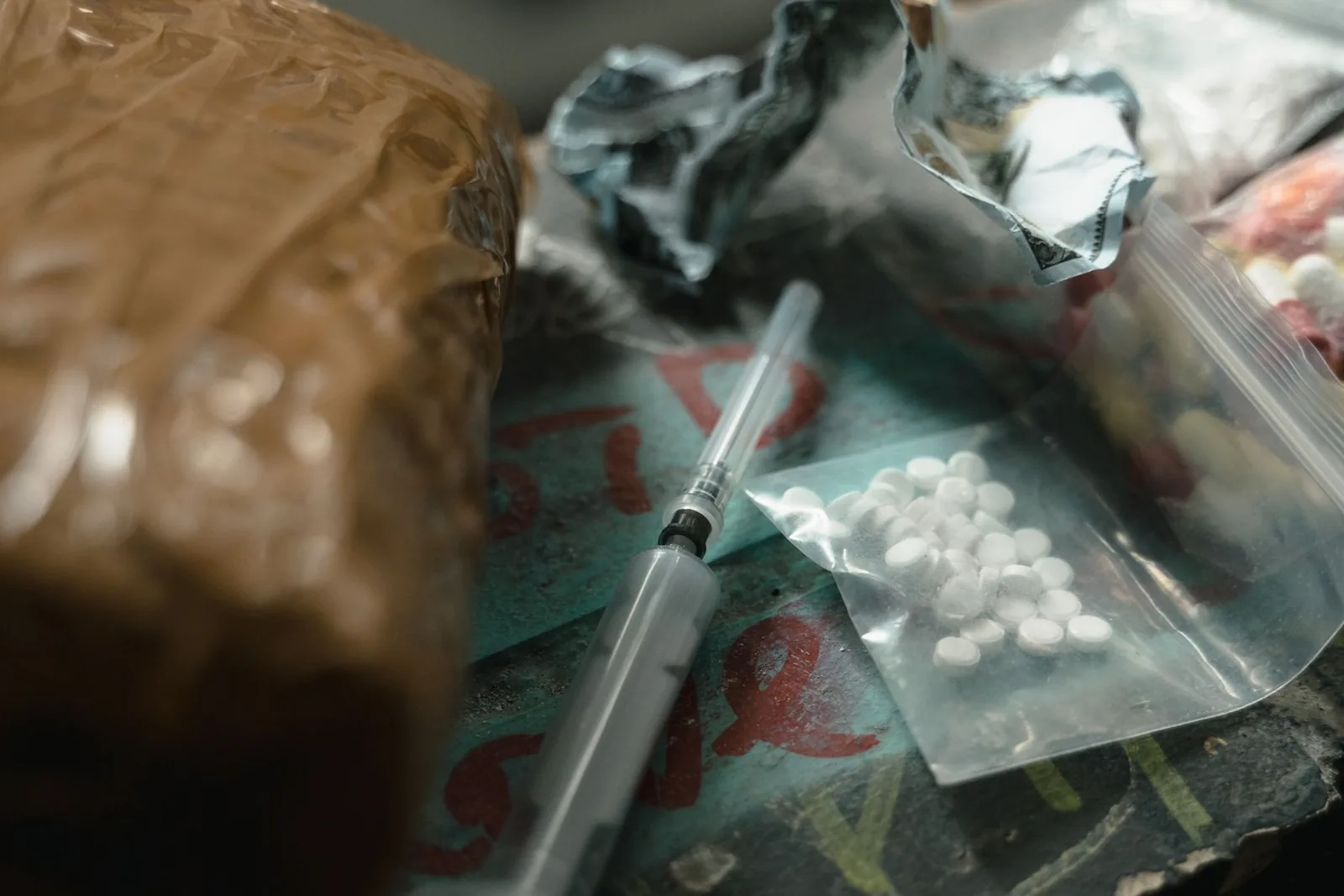
On top of the body, there is the mind. Anxiety, irritability, sleepless nights and craving that crowds out every other thought. Families often notice the restlessness first: a person who cannot sit still, cannot eat and cannot stop talking about getting something to make it stop.
Heroin was often switching off pain, fear or memory, sometimes for years. Withdrawal brings all of it back at once, with the body screaming for the one thing that used to quieten it. Willpower is a weak tool against that, which is why so many attempts end on day two.
What is nyaope and whoonga withdrawal like?
Nyaope and whoonga withdrawal follows the heroin pattern, because “Nyaope and whoonga are street names for heroin, often mixed with other regulated and unregulated substances” (SACENDU). The mix changes from batch to batch, so the week can be rougher or stranger than the heroin timeline suggests.
In South Africa it is usually sprinkled on cannabis or tobacco and smoked as a joint (SACENDU). Many people move on to injecting. Among people treated for heroin in the second half of 2025, injection use ranged from 19% in Gauteng to 41% in the Western Cape (SACENDU, July to December 2025), and heroin or other opiates were the main drug for between under 1% and 15% of people in specialist treatment, depending on the region.
Withdrawal drives risk here too. In one study of people who inject nyaope, nineteen participants said they had shared needles within their group (Health SA Gesondheid). When withdrawal is starting, people take shortcuts they would never take otherwise.
Is heroin withdrawal dangerous?
The days of withdrawal are punishing, and days of vomiting and diarrhoea can leave someone badly dehydrated. The biggest danger, though, comes after the symptoms end. The World Health Organization names recent periods of abstinence as “a major risk factor for fatal opioid overdose” (WHO).
The reason is tolerance. After a week or two without heroin, the body has lost its tolerance, but the person remembers the old dose. One relapse at that dose, often on the first day home, can stop their breathing. Stopping treatment early carries the same trap: WHO notes it brings overdose risk back to the level of someone who was never in treatment (WHO).
If someone is not breathing, is breathing very slowly or cannot be woken, call an ambulance on 10177, or 112 from a cellphone, now.
So a heroin detox needs a plan for the weeks after it as well as for the week itself. Message us and we will tell you whether a medical detox is needed and help you arrange it.
Can you detox from heroin at home?
Some people get through heroin withdrawal at home, but cold turkey alone in a bedroom is where most attempts fail. The symptoms peak on day two or three, the person is sleepless and in pain, and a dealer is one message away. People who try to stop nyaope on their own describe the symptoms as severe (Health SA Gesondheid).
A medical detox changes three things. Medication eases the cramps, sickness, anxiety and sleeplessness, so the person is not just enduring the week. Nurses watch fluids, heart rate and mood around the clock. And there is no dealer in the building.
Home is especially risky when a person also drinks or uses sleeping pills, has a serious physical illness, has tried and failed before, or lives with people who use.
What does a heroin detox look like at our centre?
At our centre in Lakeside, Cape Town, medical detox runs where it is clinically indicated, with 24-hour nursing supervision and a doctor who sees you on site. Detox and therapy happen in the same house, so nobody is discharged into an empty week after the sickness passes.
Before withdrawal begins there is a risk assessment. During it, the team manages symptoms, watches for complications and works on getting sleep and routine back. Medication is used only when a medical professional prescribes it, and a psychiatrist selects it where it is needed. Drug tests on arrival and at random during the stay keep the house safe for everyone.
From there the programme takes over: up at 07:00, a morning group, a one-to-one session, groups until four and a 12-step meeting every evening. Heroin is rarely the whole story. Ruby Weber, our psychologist, has spent more than twenty years in the addictions field and leads the psychological side of our dual diagnosis work, so the trauma, depression or anxiety under the habit is treated on the same plan.
On the first call we ask what is used, how often, for how long, and what else is involved. You leave knowing whether detox is needed and what happens next. Admission can be immediate and typically happens within three days of first contact. The fee depends on the programme and length of stay; we give it on the call and send it in writing the same day. You pay us directly, so no scheme cap decides when someone goes home.
What happens after heroin detox?
After detox, the work is staying alive and staying off. The first weeks carry the overdose risk described above, so the plan for the day you leave matters as much as the detox did.
Long-term treatment is what cuts that risk. WHO reports that opioid agonist maintenance treatment, also known as opioid substitution treatment, “reduces opioid overdose risk by almost 90 per cent” (WHO). In South Africa, the national health department announced a pilot of this approach at two clinics in late 2024, planned to run for 20 months (GroundUp).
For people who go abstinent, structure carries the risk. Our residential programme continues after detox, every discharge includes a written relapse-prevention plan built for the home you go back to, and sober living and aftercare keeps the routine going for those who want it. Families can join our support group every Wednesday at 18:00 on Zoom. For other substances, see our guides to alcohol withdrawal, weed withdrawal and oxycodone.
Book a free, confidential call: 20 to 40 minutes by WhatsApp, video or phone, with no obligation.
What else do people ask about heroin withdrawal?
The greatest risk of death sits after withdrawal rather than during it: WHO names recent abstinence as a major risk factor for fatal overdose (WHO). During the week itself, dehydration from vomiting and diarrhoea is the main concern, which is why a supervised detox watches fluids around the clock.
Nyaope is heroin mixed with other substances, so expect the heroin pattern: symptoms within hours, a peak around days two and three, and most of the physical sickness gone within a week. Because the mix varies, some batches bring a rougher week. Craving lasts longer than the sickness.
For most people it is day two or three, when symptoms peak (healthdirect). That is also the point where people at home most often give up and use again, so it is the day a detox plan has to cover best.
Message us on WhatsApp. Our centre in Lakeside offers medical detox with 24-hour nursing supervision, followed by a residential programme for the addiction and what sits under it. The first call is free and we reply the same day.
This article is general information, not medical advice.
Sources
- healthdirect (Australian Government): opioid withdrawal symptoms
- MSD Manual Professional Version: opioid toxicity and withdrawal
- World Health Organization: opioid overdose fact sheet (PDF)
- Western Cape Government: know who you can call in an emergency
- South African Medical Research Council, SACENDU research update, July to December 2025 (PDF)
- Lefoka and Netangaheni, study of people who inject nyaope, Health SA Gesondheid vol 30 (PDF)
- GroundUp: Health department to take medical approach to heroin crisis (15 November 2024)
Coming off heroin or nyaope? Plan the week after, too.
A free first conversation, a clinical assessment within three days, and admission that can be immediate. We will tell you whether a medical detox is needed and help you arrange it.
Free first conversation of 20 to 40 minutes, by WhatsApp, video or phone. We reply the same day.

Leave a request for consultation
Tell us a little about the situation. The first conversation is free and confidential, and we reply the same day.