

What happens in medical detox?
What medical detox actually is, how long withdrawal lasts substance by substance, why alcohol and benzodiazepines cannot be stopped safely alone, and how detox works at our centre.

In short
- Medical detox manages the acute withdrawal. It does not cure addiction on its own. The US government’s clinical guide describes it as one part of a continuum of care, not a stand-alone fix, according to SAMHSA’s clinician guide to detoxification.
- With alcohol and benzodiazepines, stopping alone can be dangerous. The course of alcohol withdrawal is unpredictable, and it is impossible to tell in advance who will develop life-threatening complications, per the same SAMHSA guide. Delirium tremens is fatal in up to 20% of untreated cases, falling to about 1% with early treatment.
- Renewed Life Center runs detox and therapy in the same house. Assessment before anything begins, 24-hour nursing, medication only where a doctor decides it is needed, and a direct move into the programme. Admission can be immediate, typically within three days of first contact.
Wondering whether you or someone you love needs medical detox? Book a free, confidential call. Twenty to forty minutes, and we reply the same day.
Detox is usually the first thing people picture when they think about rehab, and usually the part they are most afraid of. It is a medically supported stage that helps the body adjust safely when a substance is reduced or stopped. For some substances, it is also the stage where the real physical risk sits. This page covers what detox actually is and what withdrawal looks like substance by substance. It also covers why some of it cannot be done safely alone, and what happens in the first days at Renewed Life Center.
What is medical detox, and how is it different from treatment?
Medical detox is a set of interventions that manage acute intoxication and withdrawal, and clear the substance from the body safely. It is not a cure for addiction: SAMHSA’s clinical guide describes it as “one part of a continuum of care” rather than a treatment on its own.
The same guide sets out three components a proper detox has to include: evaluation, stabilisation, and helping the patient move into treatment afterwards. Leave any one of those out, and the consensus panel behind the guide calls the process “incomplete and inadequate”, according to the same SAMHSA guide. Detox that stops at “the substance is out of your system” and hands you back to your own resources is, by that standard, only doing part of the job.
When medical detox is the safer route
- Attempts to stop at home have ended in relapse because the withdrawal itself was too hard
- Drinking or use has been daily, or the dose has been climbing for a while
- There has been a difficult, frightening or unsafe withdrawal before
- Anxiety, panic, insomnia or agitation are severe alongside the substance use
- Depression, PTSD or another mental health condition is part of the picture
- A family can see the risk clearly and does not know how to respond safely
What are the detox symptoms for each substance?
Withdrawal looks different for every substance, and the honest answer to “is it dangerous” is not the same for all of them either. The table below sets out what tends to happen and, most importantly, which substances carry a real medical risk if nobody is watching.
| Substance | Onset | What it tends to look like | Medically dangerous? |
|---|---|---|---|
| Alcohol | 6 to 24 hours after the last drink, per SAMHSA | Unpredictable. It is impossible to tell in advance who will go on to have severe complications, the same guide says | Yes. The main goal of medical detox is to prevent seizures and delirium tremens, which can cause death and disability without care |
| Benzodiazepines and sleeping pills | Varies with the specific drug | Safe withdrawal is a gradual taper, not stopping abruptly (WHO), which may run over several weeks or even months (SAMHSA) | Sometimes. Rarely fatal alone, but combined with alcohol or other sedatives it can be fatal if not managed properly, per SAMHSA |
| Opioids and prescription pain pills | Begins as the drug wears off | Fast pulse, high blood pressure, sweating, cramps, nausea, vomiting, diarrhoea, bone and muscle pain, per SAMHSA’s symptom list | No. Uncomplicated opioid withdrawal is not life-threatening, unlike alcohol and sedative withdrawal, though it is highly unpleasant, the same guide states |
| Stimulants (cocaine, methamphetamine) | Begins as the drug wears off | Depression, insomnia or excess sleep, fatigue, anxiety, irritability and craving, per SAMHSA. No medication exists for it; the most effective approach is a period of abstinence | No. Not usually associated with medical complications, per the same source |
| Cannabis | Begins once regular use stops | Anger, irritability, anxiety, restlessness, reduced appetite, insomnia, headaches, sweating and tremor, according to NIDA, which affects about 12.1% of people who use cannabis frequently | Not usually dangerous, but the discomfort itself is a common reason people go back to using |
Why can’t you just stop alcohol or benzodiazepines on your own?
Because there is no reliable way to predict who will be fine and who will develop a seizure or delirium tremens. SAMHSA is direct about it: indications for managing alcohol withdrawal without medication “have not been established through scientific studies or evidence-based methods”, and the course “is unpredictable”.
Delirium tremens is the extreme end of alcohol withdrawal, and it is rare but it is not a small risk. Mortality runs as high as 20% without proper treatment, falling to about 1% with early identification and treatment. That gap, between a fifth of cases and a hundredth, is almost entirely explained by whether someone was being medically monitored.
Benzodiazepines carry a related but different risk. Taken alone, they rarely cause death by overdose. Most people who use them, though, are also using alcohol or another sedative, and that combination “could be fatal if not managed appropriately”, per SAMHSA. The safest way to come off them is a gradual taper, which relieves symptoms and helps prevent seizures, according to the World Health Organization. Cutting the dose sharply, or stopping in one go, works against that.
Nutrition matters here too. Where drinking has gone on long enough to affect it, thiamine is given before anything else, including before glucose. That helps prevent Wernicke’s encephalopathy and Korsakoff’s psychosis, both linked to thiamine deficiency, the SAMHSA guide notes. It is a small step that gets missed at home and rarely gets missed under medical care.
Emergency: call an ambulance on 10177, or 112 from a mobile, if someone stopping alcohol or a sedative is
- having a seizure
- confused, agitated or seeing or hearing things that are not there
- running a fever with a racing heart and heavy sweating
- unrousable, or breathing slowly and noisily
The national ambulance number is 10177, and 112 works from any mobile network.
More detail on the timeline and the warning signs is on our page about alcohol addiction treatment.
What happens in medical detox at Renewed Life Center?
Assessment comes before anything else, then continuous nursing observation, then medication only where a doctor decides it is clinically indicated. The aim is to bring the risk down, get sleep and appetite back on track, and move you into the programme without a gap or a handover to someone new.
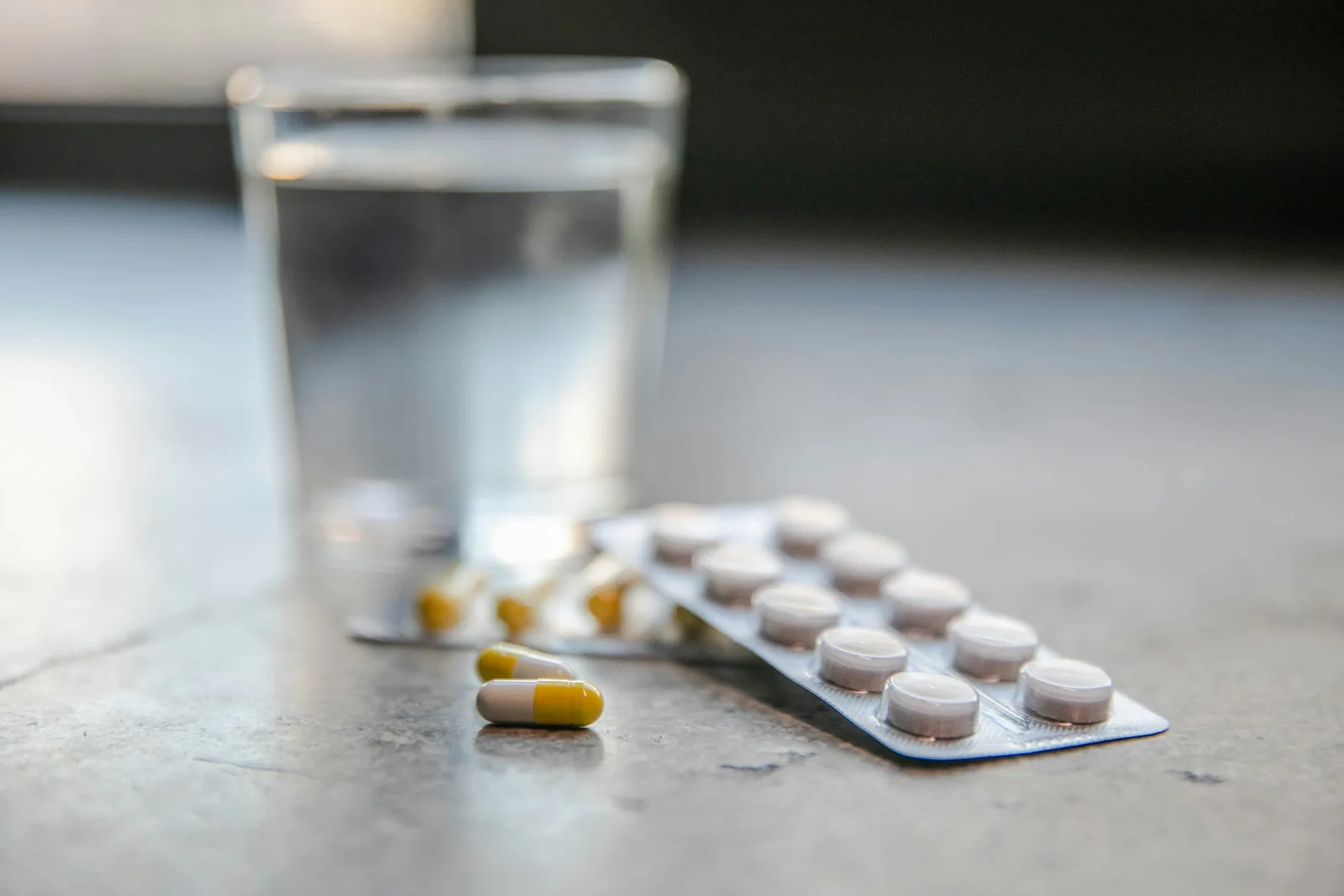
The process, in order
-
Assessment before withdrawal begins
What you use, how long, what happened the last time you stopped, and what else is going on. This decides the level of monitoring and whether medication is needed at all.
-
24-hour nursing supervision
Observations continue through the night, which is when withdrawal often worsens. A resident GP examines every arrival.
-
Medication only where a doctor decides it is needed
Nothing is given on a fixed schedule decided in advance. Where medication is clinically indicated, a doctor prescribes it, and a psychiatrist selects it where a co-occurring mental health condition is part of the picture.
-
Food, sleep and a routine that holds
Meals are prepared by our head chef, and the day gets a shape again: waking at 06:30, quiet hours from 22:30. A nervous system that has been managing itself chemically needs a few days of structure to come back down.
-
Straight into the programme, same team, same house
Detox clears the substance from the body. It does not touch why it was there. Therapy starts as soon as you are well enough to use it, with the same clinical team, not a referral somewhere else. The day runs from 06:30 to quiet hours at 22:30, with three to five clinical sessions built around wherever you are in that first week.
Our resident GP, Dr John Wulz, examines every arrival, and nurses are on duty 24 hours a day throughout. That is the difference a monitored detox is built around. The risk sits in the first few days, and someone qualified is watching for it the whole time, rather than checking in once a shift.
If withdrawal is the part you are most afraid of, that is exactly what medical supervision is for. Book a free, confidential call. We reply the same day.
What happens after detox?
Therapy starts, because clearing a substance from the body does not touch the reasons it was there. SAMHSA’s guide is explicit that detox services “do not offer a ‘cure'”. It calls detox usually a “first step toward recovery and a ‘first door’ through which patients pass to treatment”, the guide states. The same source recommends that clinical staff stay unified in that message, because rehabilitation and maintenance work is what actually sustains recovery.
In practice that means the days after detox matter as much as the days during it. Anxiety, depression, trauma and burnout sit under a lot of substance use, and if that goes untreated the reason to use again is still waiting once the body has stabilised. Dr Ruby Weber heads psychology at the centre. She has more than two decades in the addictions field, work with both international and South African clients, and a particular interest in how trauma intersects with dependence. Where a co-occurring condition needs medication, a psychiatrist selects it. The same clinical team carries the case from detox into dual diagnosis treatment, without a new provider or a new intake.
Detox on its own rarely holds. Talk to us about what comes after it, free and confidential, twenty to forty minutes.
Can you detox at home safely?
Sometimes, and sometimes not, and the substance decides which. For alcohol, there is no established evidence base for managing withdrawal without medication, and the course cannot be predicted in advance. For benzodiazepines, the only safe route is a gradual taper measured in weeks, which is difficult to manage without clinical oversight of the schedule. Opioid withdrawal is not usually life-threatening, but it is highly unpleasant, and medical support makes it far easier to see through. Stimulants and cannabis carry little physical danger, but no medication shortens the discomfort either, so the main risk is going back to using to make it stop.
Put together, the pattern is honest: the substances that carry the least medical danger are also the ones people most often stop successfully without help. The substances that carry the most medical danger, alcohol and benzodiazepines, are exactly the ones where stopping alone is hardest to do safely. That is not a coincidence: both run on the same brain chemistry that makes sudden withdrawal risky.
Why do people choose Renewed Life Center for medical detox?
Because the medical side and the therapy sit in the same house, with the same team from the first day to discharge. Nobody is stabilised somewhere else and sent on to start the actual work.
Medical detox, where it is clinically indicated, runs with 24-hour nursing supervision, and medication is given only where a doctor decides it is needed. Individual psychotherapy runs about three sessions a week once you are well enough for it, and group therapy five or more. The same clinical team stays with you throughout the programme, into sober living and aftercare if that is the right next step. Family therapy runs alongside treatment, in person or by video for relatives abroad, with a weekly session on Wednesday evenings.
You pay us directly, so no scheme decides how long you stay: the length of stay follows the clinical picture. The house is in Lakeside, in Cape Town’s Southern Suburbs, with a mountain ridge directly behind the property and staff on site 24 hours a day.
How do you start medical detox at Renewed Life Center?
Start with a free call of twenty to forty minutes, by WhatsApp, video or phone. A clinical assessment follows within three days, and admission can be immediate, typically within three days of first contact.
From first call to admission
-
A free first call
Confidential, no obligation. Tell us what you have been using and for how long, so we can gauge the level of risk.
-
Clinical assessment
Covers withdrawal history, current use and any co-occurring mental health symptoms, and decides the monitoring and medication plan.
-
Admission
Can be immediate. Airport transfers at Cape Town International are included both ways for people flying in.
Book a free, confidential call, or write to us if you would rather send a message first.
Questions people ask
It depends on the substance and the person. Acute alcohol withdrawal typically starts within a day and needs close monitoring for several days; other substances follow their own course. Your clinical assessment sets the expected timeline for your situation.
Only where a doctor decides it is clinically indicated. Nothing is prescribed on a fixed schedule before you are assessed, and a psychiatrist selects medication where a co-occurring mental health condition is part of the picture.
Only if a substance you are physically dependent on makes that necessary. Therapy starts as soon as you are medically well enough to use it, with the same team that manages the detox.
Not usually, according to SAMHSA’s clinical guide: stimulant withdrawal is not typically associated with medical complications. It can still be miserable enough to trigger a return to use, which is why support during that period still matters.
Yes. International clients are a primary focus of our practice, and airport transfers at Cape Town International are included both ways. Flights are booked separately.
Tell us at the assessment stage. A previous difficult or unsafe withdrawal changes the level of monitoring we plan for, not whether you can be helped. It is one of the specific things the clinical assessment asks about.
This article is general information, not medical advice.
Sources
- SAMHSA, TIP 45, Detoxification and Substance Abuse Treatment: A Treatment Improvement Protocol (Quick Guide for Clinicians)
- World Health Organization, Clinical Guidelines for Withdrawal Management, 2009
- Kaye et al., Delirium Tremens: A Review of Clinical Studies, Cureus, 2024
- NIDA, Cannabis (Marijuana) research topic
Withdrawal is the part most people fear most. Ask us how it works.
A free, confidential call of twenty to forty minutes. Detox happens on site with a resident GP and 24-hour nursing, admission can be immediate, typically within three days, and we reply the same day.
Free first conversation of 20 to 40 minutes, by WhatsApp, video or phone. We reply the same day.

Leave a request for consultation
Tell us a little about the situation. The first conversation is free and confidential, and we reply the same day.