

What is khat made of, and what does it do to your body?
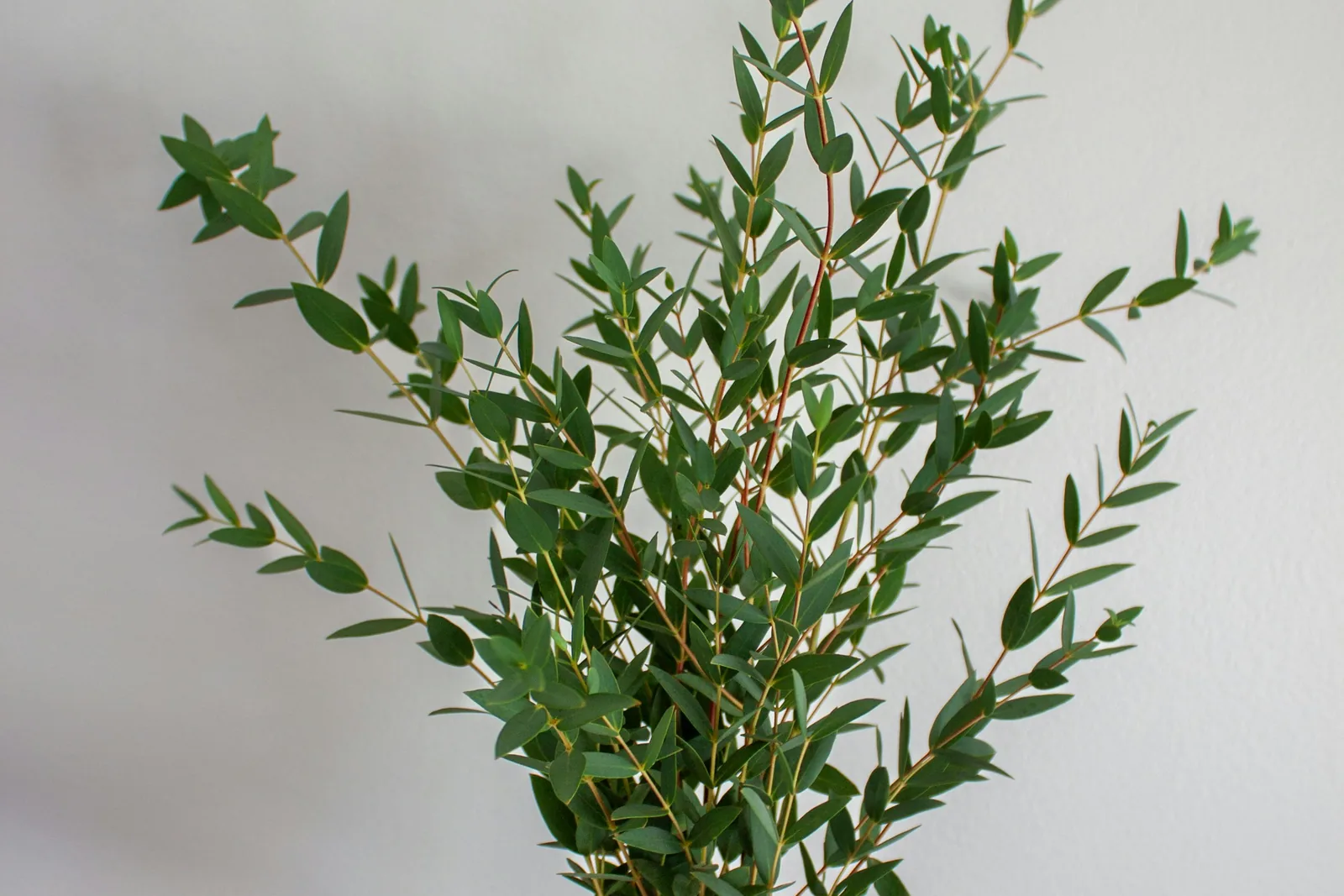
Khat, also written kat or qat, is an East African shrub whose fresh leaves are chewed for an amphetamine-like lift by about 20 million people worldwide.
In South Africa its main stimulant, cathinone, is a listed drug, and the leaf is easily confused with cat, a lab-made powder.
What is the khat drug made of?
Khat, or qat, is a plant, Catha edulis. Its fresh leaves contain more than 40 bioactive compounds, and two amphetamine-like alkaloids, cathinone and cathine, produce most of the effect on the brain and the heart, according to a 2025 review in BMC Cardiovascular Disorders. Use is highest where the plant grows: the same review puts it at 15% in Ethiopia and up to 90% in Yemen.
What is the kat drug?
In South Africa “kat” can mean two things: the khat leaf, and cat, the synthetic powder methcathinone. If someone says “kat drug”, ask what it looks like: leaves are khat, powder is cat. The two are chemical relatives:
| Khat (kat, qat, miraa) | Cat (methcathinone) | |
|---|---|---|
| What it is | Fresh leaves of a shrub | Lab-made white or off-white powder |
| Active compound | Cathinone and cathine | Methcathinone |
| How it is taken | Chewed, sometimes brewed as tea | Snorted, swallowed in a drink, sometimes injected |
| Dependence | Reportedly mild | Strong pull to redose (reported for synthetic cathinones) |
If the “kat” in your house is a powder, our page on the cat drug is the one to read: people who use synthetic cathinones have described “a strong compulsion to redose”, which is a different problem from chewing leaves. Mephedrone, another lab-made stimulant from the same family, has its own page.
How is khat used, and when does chewing become a pattern?
Khat is chewed: fresh leaves are held in the cheek and chewed slowly, often in company, and some people brew them as tea. One session tells you little about whether there is a problem. The daily pattern tells you more: chewing that starts earlier, runs later into the night and leaves less sleep, less energy for work and less money for everything else.
Side effects of kat (khat): symptoms to look for
People chew khat for alertness, energy, talkativeness and a lift in mood. Signs a family may notice:
- long chewing sessions and bundles of leaves around the house;
- late nights, poor sleep and tiredness the next day;
- irritability, anxiety or suspicion;
- money going on khat every few days.
What does khat do to the body and mind?
Two large reviews looked at blood pressure and mental health. A pooled analysis of 15 studies and 12,409 people found that chewers had 2.4 times the odds of high blood pressure of non-chewers (BMC Cardiovascular Disorders, 2025). A systematic review of 35 studies with 31,893 participants linked khat use to higher odds of psychiatric symptoms, an odds ratio of 2.22 (BMJ Open, 20222).
Both are associations: they show that khat and these problems go together, not that khat caused every case. For a family, the second finding matters most, because anxiety or low mood can be part of what keeps someone chewing.
Is khat addictive?
Khat can be addictive, though usually mildly: habitual chewing “reportedly results in only mild psychological dependence and mild withdrawal symptoms”, according to a 2013 review in Clinical Pharmacology: Advances and Applications. Many people who chew now and then can stop on their own by not buying it, getting meals and sleep back on track and sitting out the flat spell that follows.
Help makes sense when that has not worked and chewing has become daily, coming back after every attempt to stop. It also makes sense when khat is taking the sleep, the money or the temper, when it goes together with alcohol, cat or sleeping tablets, or when there is anxiety or low mood underneath and the khat is how the person gets through the day.
Stopping usually brings a tired, low spell with poor sleep and craving. Stimulant withdrawal “is not usually associated with medical complications”, and no medication has been developed for it, according to SAMHSA’s guide to detoxification (TIP 45). Alcohol and sleeping tablets are different. If either is used to come down from khat or to get to sleep, do not stop it suddenly on your own; message us first. Dr John Wulz, our GP, examines you after you arrive, and if you need a detox, our medical team runs it.
Is khat legal in South Africa?
The law does not name khat itself, but it covers khat’s main stimulant. Cathinone is listed in Part III of Schedule 2 of the Drugs and Drug Trafficking Act 140 of 1992 as an undesirable dependence-producing substance, and section 4 of the Act bars anyone from using or possessing such a substance unless they are a patient who got it from a medical practitioner or dentist. Police treat the leaves this way: in April 2026 two men were arrested in Bloemfontein’s city centre with khat worth an estimated R15 000 and charged with possessing an undesirable dependence-producing substance, the Sunday Tribune reported. Cat, the synthetic relative, is named separately in Schedule 7 of SAHPRA’s medicine schedules.
Can khat addiction be treated?
Yes. With khat the work is usually less about the leaf than about what chewing does for the person: it gets them through the day, quiets anxiety, lifts a low mood or fills the evenings. As there is no medicine for stimulant withdrawal, treatment is structure and therapy. At Renewed Life Center, our house in Lakeside, in Cape Town’s Southern Suburbs, close to Muizenberg beach, the same team works on the khat and on the anxiety or low mood under it:
- The first month, living with us: drug and alcohol tests on arrival and at random during the stay, meals and sleep back to a steady rhythm, your own counsellor one-to-one every week, group work every weekday and 12-step meetings in the evenings.
- The second month, which most clients stay for, goes after the reason: CBT and DBT for urges, schema therapy for old patterns, EMDR for trauma. Psychology at the centre is headed by Ruby Weber, who has more than 20 years in the addictions field.
- Before going home: chewing is often social, and the same friends and habits are there when the person gets home. Every discharge includes a written relapse-prevention plan built for your home, and an outpatient programme is there after you leave if your counsellor recommends it.
Admission can be immediate and typically happens within three days of first contact.
Someone at home chewing khat every day? WhatsApp us.Someone at home chewing khat every day? Call +27 79 880 0045, free and confidential.
A relative can talk to our team before the person has agreed to come. Tell us what is being chewed or used, how often, and whether alcohol, cat or sleeping tablets are part of it. The first conversation takes 20 to 40 minutes by WhatsApp, video or phone, and we reply the same day. The fee depends on the programme and how long you stay; we give it on that call and send it in writing the same day.
FAQs about khat
A chewed stimulant leaf from East Africa, also written kat. Its active compound, cathinone, is listed in the Drugs and Drug Trafficking Act, which bars using or possessing such a substance without a prescription.
No. Khat is a plant; cat is methcathinone, a synthetic powder. They are chemical relatives, and SACENDU counts them together because “CAT and KHAT are often used interchangeably during reporting”.
Its two main stimulants, cathinone and cathine, account for most of its effect on the heart and circulation. Across 15 studies, the odds of high blood pressure were 2.4 times higher in people who chew than in people who do not. That is an association: it does not prove that khat caused each case.
Mostly tired and flat for a while, with poor sleep and wanting to chew. A low that deepens instead of lifting, or that brings thoughts of suicide, needs professional help the same day. If there is a risk of acting on those thoughts now, or the person cannot stay safe, get emergency help immediately rather than waiting for a reply from us; the SADAG Suicide Crisis Helpline is on 0800 567 567. When the person is safe, they or someone in the family can talk to us about the chewing and the low mood behind it. With us that part is led by Ruby Weber, who works with depression and trauma, and Dr John Wulz, our GP, reviews any antidepressants or sleeping tablets the person already takes.
Yes. We treat stimulant use, including khat and cat, together with the anxiety or depression that often comes with it, at our residential house in Lakeside. A stay can be as short as a week; how the stay works is set out in the treatment section above.
If khat or cat is running someone’s days, start with one message.
A free, confidential first conversation with a same-day reply. Treatment for the stimulant use and the anxiety or low mood under it, with admission typically within three days of first contact.
Writing for someone else? You do not need their permission to message us.
or call +27 79 880 0045
Rather we call you back? Leave your number
Sources
- Khat and hypertension, systematic review and meta-analysis, BMC Cardiovascular Disorders (2025)
- Khat use and psychiatric symptoms, systematic review and meta-analysis, BMJ Open (2022)
- Capriola M, Synthetic cathinone abuse, Clinical Pharmacology: Advances and Applications (2013)
- SAMHSA, TIP 45: Detoxification and Substance Abuse Treatment
- Drugs and Drug Trafficking Act 140 of 1992, Schedule 2 and section 4
- SAHPRA, Consolidated Schedules, 1 August 2025
- SACENDU Research Brief, Vol 29 No 1 (2026)
- Sunday Tribune, two arrested in Bloemfontein CBD with khat worth R15 000 (22 April 2026)
This article is general information, not medical advice.