

Finishing rehab does not always mean you are ready to go straight home. Sober living at Renewed Life Center gives you a step in between: work, study or attend to personal responsibilities by day, then return to a sober house on our property in Lakeside, Cape Town.
You keep a weekly appointment with your counsellor, have access to the centre’s therapy groups and take part in regular drug and alcohol testing. You can apply after treatment with us or after completing an inpatient programme at another centre.
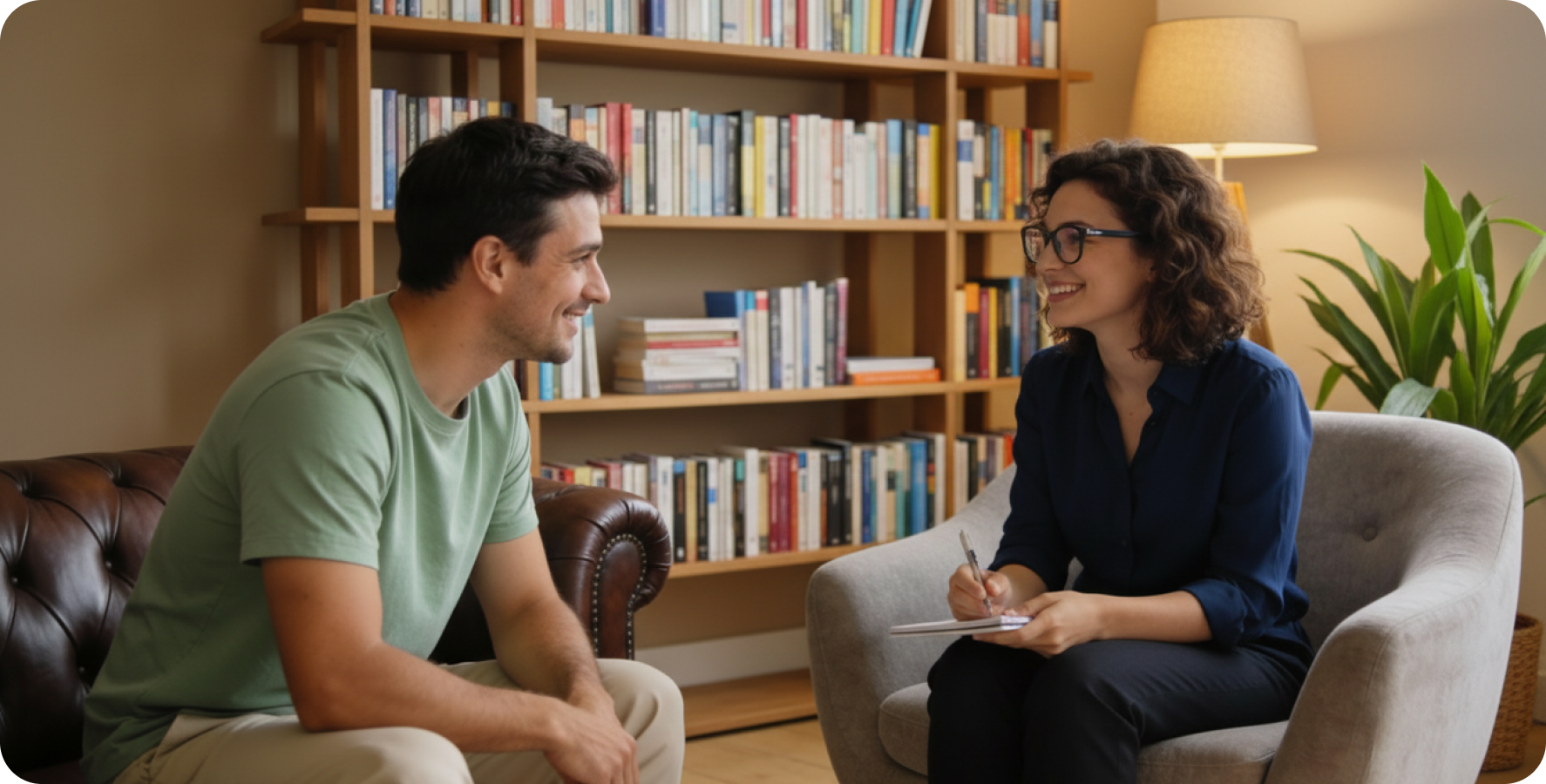
Discuss your next step after rehab
Who this stage is for
You may be nearing the end of treatment and worried about losing its structure. Home may still bring conflict, easy access to alcohol or drugs, or familiar routines that led to using. Or you may want support while returning to work or study.
The assessment helps establish whether sober living is the right next step. Tell us what treatment you have completed and what feels difficult now. If you are still drinking or using, the team will first discuss whether you need treatment or medical detox before moving into sober living.
What support stays in place?
Nikki Edwards oversees the programme as Programme Director and Clinical Manager. The centre’s clinical team discusses each client’s progress, and your counsellor helps plan the next stage with you.
Ask how a week in sober living would work
Sober living, residential treatment and aftercare
These are different forms of support, chosen according to where you are in recovery.
What families can expect
A family can welcome the progress made in rehab and still feel anxious about what happens next. Here, responsibility for support does not fall on a partner or parent alone: counselling continues, testing is regular and the clinical team decides what happens after a positive test.
The client’s counsellor keeps the family informed with their consent. Families can join a support group by video every week, and relatives can have counselling sessions of their own. Our family therapy and support page explains how families take part.
You can contact us before your relative has agreed to come. The first conversation can focus on the next step after treatment and the support your family needs.
The house in Lakeside
Our sober living accommodation is on the centre’s property in Lakeside, with the mountain ridge behind it and Muizenberg beach a short drive away. Private and shared rooms are available.
If you are coming from another city or country, discuss the move with us before booking. We can arrange collection at Cape Town airport. International clients can also ask for help with visa documents; the appropriate permission for the stay needs checking before travel.
Admission, length of stay and fees
Start by telling us where you are now: finishing treatment, moving from another clinic or already home and finding it difficult. John Roberts, our Senior Recovery Specialist and Operations Manager, usually handles the first conversation. It is free and confidential, takes 20 to 40 minutes by WhatsApp, video or phone, and we reply the same day.
If you wish to proceed, an assessment of 45 to 90 minutes follows. The team considers your recent treatment and current needs before agreeing the next step. Discuss the length of your stay with your counsellor rather than assuming you must follow every stage of the residential programme.
The fee depends on the programme and how long you stay. We give it on the first call and send it in writing the same day, so you can discuss the proposed stay and what it covers before deciding.
Questions about sober living
Can I come after rehab at another clinic?
Yes. People who have completed an inpatient addiction or dual diagnosis programme elsewhere can apply. Tell us about that treatment and how you are doing; admission follows assessment.
Can I work or study?
Yes. Sober living allows work, study and personal responsibilities during the day. If you work remotely, you keep your phone and laptop and discuss the arrangement with your counsellor.
Is sober living the same as outpatient treatment?
No. In sober living you have accommodation on our property. In the outpatient programme you live at home and attend treatment. Your counsellor can discuss which form of support fits your circumstances.
What if I have started drinking or using again?
Tell the team before admission so your current treatment needs can be assessed. If you may be dependent on alcohol or sedatives, seek medical advice before stopping suddenly. Sober living is a later stage of support, rather than a substitute for managing withdrawal.