

Halfway houses in Cape Town: what they are and how to choose one
A halfway house in Cape Town is a sober home for people who have finished rehab, shared with other residents in recovery.
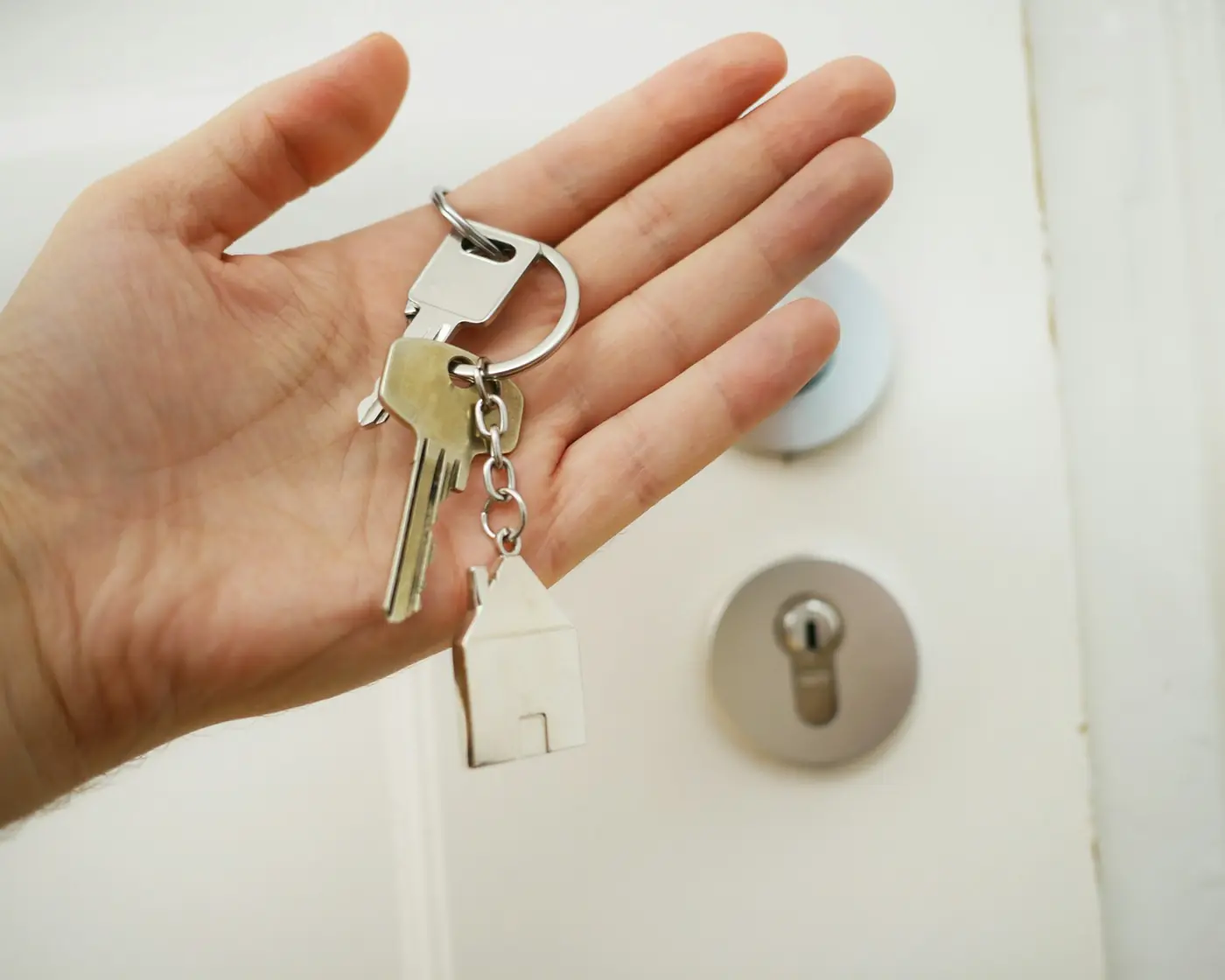
Ours is sober living at Renewed Life Center in Lakeside, Cape Town: you work or study by day, come back to a sober house in the evening, and can join after treatment elsewhere.
Why do the first months after rehab need a halfway house?
Because relapse is most likely in the first months after treatment. A quantitative review in the Journal of Substance Abuse Treatment pooled twenty studies of alcohol and tobacco treatment followed for a year or more, and in almost all of them relapse came early and slowed once people had stayed abstinent for a while. The risk sits in the first months, which is when a good halfway house puts the most structure around a person.
“In my experience, the toughest thing about rehabilitation and recovery is to remain in the environment that might have contributed to the way you chose to cope.”
The questions that matter before discharge are practical ones: where the person will be in the early evening, who in their circle still drinks or uses, and what happened after the last treatment. If those are hard to answer, talk them through with us before discharge day; that is what the first conversation is for. A halfway house comes after treatment, never instead of it: if the person is still drinking or using, is in withdrawal, or needs daily psychiatric care, treatment comes first. After daily drinking or regular benzodiazepines, sleeping tablets or opioids, do not stop suddenly on your own: write to us with what is being used and how often, and we will go through what treatment could look like.
How do you choose a halfway house in Cape Town?
The name alone tells you little, because “halfway house” covers anything from a house with therapy behind it to a room with a set of rules. Look at what comes with the house:
- Therapy and groups. Is there a counsellor you see regularly, and can you still join groups when a week gets hard?
- Testing. Is it regular, and what happens after a positive result?
- Who lives there. Have the other residents finished treatment?
- Meetings and a sponsor. Does the house expect them, so support carries on after you move out?
- The reason underneath. Does anyone work on what the drink or drug was covering?
House rules keep the drug out of reach. Loneliness, an old hurt or a past nobody at home talks about still needs therapy, and left alone it is often what sends people back. One question matters more than the rest:
What is in sober living at Renewed Life Center?
Sober living at Renewed Life Center is a sober house on the centre’s property in Lakeside, for people leaving treatment with us or after an inpatient programme somewhere else. You work, study or see to family matters by day and come back in the evening, and the support answers the five questions above.
What our sober living includes
- One session a week with your own counsellor, and access to the groups of our residential programme, among them schema therapy, DBT, relapse prevention and a process group
- Regular drug and alcohol testing; after a positive result, the clinical team decides what happens next
- Housemates who have finished treatment
- Fellowship meetings and a sponsor, which the programme expects of every resident, and recovery coaching
- A written relapse-prevention plan built for the home you are going back to
Your weekly sessions with a counsellor and groups such as the process group and schema therapy, which looks at old patterns that keep repeating, are where the reason underneath gets worked on. Nikki Edwards runs the programme as Programme Director and Clinical Manager and has 11 years in recovery herself; John Roberts, who usually takes the first call, has 39 years in recovery.
There is evidence behind the meetings: on alcohol, a 2020 Cochrane review of 27 studies found AA and Twelve-Step Facilitation “more effective than other established treatments, such as CBT, for increasing abstinence”. When you move on, we keep in touch, and former clients can always come back to us. How this stage links to the rest of our care is on the sober living and aftercare in Cape Town page.
How long do people stay in a halfway house in Cape Town?
There is no single length: it depends on the house and on how steady the person has become. With us, you can come to sober living straight from our residential programme or after treatment at another centre, and how long it should run is part of the first conversation.
A 2025 systematic review in Frontiers in Public Health3 looked at five studies of recovery housing (three randomised trials and two quasi-experimental) and concluded that recovery housing “is at least a promising intervention”. Leave when work, sleep and support have held steady for several weeks without the house holding them up.
| Residential rehab | Halfway house or sober living |
|---|---|
| What it is | |
| Clinical treatment: therapy, medical oversight and a full daily programme | A sober home around an ordinary day of work or study |
| Who it admits | |
| Someone in active addiction | Someone who has completed a formal treatment programme |
| Typical length | |
| Planned in months, stage by stage | Depends on the house and on the person |
A halfway house and a sober living house are the same thing under two names.
Leaving treatment soon, or worried about someone who is? Talk it through with us. Ask us on WhatsApp.Leaving treatment soon, or worried about someone who is? Talk it through with us. Call +27 79 880 0045, free and confidential.
What is daily life like in a sober house in Cape Town?
In a sober house you go out by day to work, study or look for work, and come back in the evening to a home where nobody drinks or uses. With us, the week also holds a session with your counsellor and your fellowship meetings.
Where is our sober living in Cape Town, and can you come from abroad?
Our sober living is in Lakeside, in Cape Town’s Southern Suburbs, close to Muizenberg beach, on the same property as the centre. Family can join the weekly family group by video.
Finished treatment in the UK or the US and wondering where to live next? You can come to us. International clients are met at Cape Town airport and taken back when they leave; is rehab in South Africa safe answers the questions people ask before they travel.
How does a halfway house fit into long-term rehabilitation?
A halfway house is one step in long-term rehabilitation. With us it follows the residential programme, and you can also join it after treatment elsewhere. A medical detox run by our medical team comes first when the assessment shows it is needed, then residential treatment, which most clients continue into a second month and where depression, anxiety or trauma under the use is treated with the addiction through our dual diagnosis treatment. If more time is agreed with your counsellor, our Recovery Integration Programme lets you go out on your own in the afternoons and come back to the house in the evening, and sober living follows. Families stay involved through our family support, and a full week is described in what happens in rehab, day by day.
How do you start sober living after rehab?
You start with a few lines on WhatsApp, and a parent, partner or friend can write them for the person. The first conversation is free and confidential and takes 20 to 40 minutes by WhatsApp, video or phone. We reply the same day, send the fee in writing the same day, and admission typically happens within three days of first contact. You can see who you would work with on our team page.
Nobody arrives with the right words, and you do not need them: send us a few lines about where things stand.
What else do families ask?
For the person moving in, yes. A halfway house, a “half house”, a sober house, a sober living house and what some people search for as “the living house” all mean a sober home shared with other people in recovery after treatment.
It depends on what comes with the room: counselling, groups and testing, and whether the room is private or shared. Our fee depends on the programme and how long you stay; we give it on the first call and send it in writing the same day. For the wider picture, see what rehab costs in Cape Town.
No. Housing and rules hold the structure, and therapy deals with what sits underneath, which is why our sober living keeps a weekly session with your counsellor and access to the residential groups.
Yes. Tell us where you were treated and for how long, and we talk through the next step with you.
Then treatment comes first, and sober living can follow it. Message us about where things stand; a relative can write for the person.
Choosing what comes after rehab? Talk to us first.
Your own counsellor every week, access to the groups, fellowship meetings with a sponsor, and regular tests that keep the house sober. The first call is free and confidential, the fee comes in writing the same day, and admission typically happens within three days.
Writing for someone else? You do not need their permission to message us.
or call +27 79 880 0045
Rather we call you back? Leave your number

Sources
- Kirshenbaum, Olsen and Bickel: a quantitative review of the ubiquitous relapse curve, Journal of Substance Abuse Treatment (2009)
- Kelly, Humphreys and Ferri: Alcoholics Anonymous and other 12-step programs for alcohol use disorder, Cochrane Database of Systematic Reviews (2020)
- Vilsaint et al.: recovery housing for substance use disorder, a systematic review, Frontiers in Public Health (2025)
This article is general information, not medical advice.