

What are the most common myths about drug addiction and recovery?
The most common myths about drug addiction and recovery are that addiction is a choice, that relapse means treatment has failed and that a person has to hit rock bottom before help can work.

Seven more keep families waiting, and each one falls apart against the research.
In the Western Cape, tik was the main drug for 34% of people admitted to specialist treatment in the second half of 2025, alcohol for 25% and cannabis for 23%, according to SACENDU. Renewed Life Center, a private rehab in Lakeside, Cape Town, treats all three.
Myth 1: Addiction is a choice, not a disease
Addiction starts with a choice and then becomes a disorder of the brain. NIDA puts it plainly: “The initial decision to take drugs is typically voluntary. But with continued use, a person’s ability to exert self-control can become seriously impaired.” It calls addiction “a chronic, relapsing disorder” of the brain.

In daily life it looks like loss of control: using more than meant, failing to cut down, carrying on while work and family suffer. That is why a sincere “this is the last time” still gets broken.
Myth 2: Once an addict, always an addict
Addiction is chronic, and it is treatable. NIDA’s treatment principles open with exactly that: “Addiction is a complex but treatable disease that affects brain function and behavior.” Nobody tells a person with diabetes not to bother with treatment because the condition is lifelong.
The label does real harm, because someone who believes they are an addict for life has little reason to try. Long recovery is real. Nikki Edwards, who runs our programme as Programme Director and Clinical Manager, has 11 years in recovery, and John Roberts, our Senior Recovery Specialist, has 39.
Myth 3: A person with addiction can quit any time they want
Not reliably, because addiction damages the self-control that quitting depends on. Nikki puts the core of it in one line: “the client wants to stop but is unable to stop.” Her answer is to build up the person’s self-esteem and self-confidence and give them tools, which takes longer than one brave decision.
With some substances a sudden stop is also unsafe. The NHS8 warns “it can be very dangerous to stop drinking suddenly if you’re dependent on alcohol”, and SAMHSA adds that “the course of alcohol withdrawal is unpredictable; it is impossible to tell who will or will not experience life-threatening complications.” For benzodiazepines, the FDA11 warns that stopping abruptly “can result in withdrawal reactions, including seizures, which can be life-threatening.”
So if someone drinks every day or takes benzodiazepines, sleeping tablets, mandrax, GHB, opioids or codeine, they should not stop suddenly on their own. Write to our team first, say what they take and how much, and we will talk through the next steps for treatment. At Renewed Life Center a doctor examines each person after they arrive, and if a detox is needed, our medical team runs it.
A seizure, or someone who cannot be woken, is a medical emergency: get emergency help now rather than waiting for a reply from us.
Myth 4: Addiction only affects certain types of people
Addiction reaches every income, job and age, including people who look fine. In a US national sample of 1,484 adults with alcohol dependence (Moss and colleagues, 2007), two of the five subtypes, about 19% each, had “higher psychosocial functioning”. Keeping up appearances is part of why the problem gets noticed late.

Using every day is not the test either. NIAAA lists eleven criteria for alcohol use disorder, and two or three of them already count as a mild disorder. Am I an alcoholic, or do I just drink too much goes through the questions.
Myth 5: You have to hit rock bottom to start recovery
Treatment can work long before any bottom, and waiting for one costs time, health, work and relationships. Some people argue that the person has to feel the consequences first. NIDA’s treatment principles point the other way: pressure “from family, employment settings, and/or the criminal justice system can significantly increase treatment entry, retention rates, and the ultimate success” of treatment.
What families usually notice first, long before any bottom:
- money going missing, or bank statements that no longer add up;
- sick days on Mondays, and a short temper on the days without;
- bottles or packets hidden in places nobody else uses;
- promises to cut down that last until the weekend.
Signs of drug dependency goes through the rest. You do not need proof, and you do not need to be the one using, to write to us: tell us what you are seeing at home, and we will talk through your situation and the next steps for treatment.
Myth 6: Treatment is a one-size-fits-all approach
“No single treatment is appropriate for everyone”, according to NIDA’s treatment principles, so good treatment is built around the person and the reason they use. For many, the drink or drug started as a way to cope with anxiety, depression, grief or an old trauma. In the ACE Study of 9,508 adults (Felitti and colleagues, 1998), those with four or more kinds of childhood adversity had a 4- to 12-fold higher risk of alcoholism and drug abuse.
NIDA says “it is usually better to treat these health issues at the same time rather than separately.” That is how we work: the addiction and the depression, anxiety or trauma under it are treated together, in one place. Ruby Weber, the psychologist who heads psychology at the centre, has more than 20 years in the addictions field and leads the psychological side of our dual diagnosis work. Why dual diagnosis treatment matters explains the reasoning.
Myth 7: Relapse is a sign of failure
A relapse means the plan needs changing. NIDA says “relapse doesn’t mean treatment has failed”, and its comparison chart puts relapse for substance use disorders at 40-60%, against 50-70% for hypertension and asthma. Nobody calls blood-pressure medication a failure when readings creep up.
“I think relapse is data. I think it’s a place for someone to grab hold of, why did I relapse this time?”
Some families describe the same pattern: a few clean days after rehab, then the old life again. That is why the way home is part of our programme. Every discharge includes a written relapse-prevention plan built for the home the person goes back to, we keep in touch with former clients, and former clients can always come back to us.
Myth 8: Seeking help is a weakness
Asking for help is a practical step, and it does not have to come from the person using. NIDA’s principles say “Treatment does not need to be voluntary to be effective.” Nobody has to be forced into it: the family can move first, even while the person still says no or will not listen.
A relative can talk to our team before the person has agreed to come. Families join a support group by video every week, and relatives can have sessions of their own. How to talk to a loved one about rehab has words that work for that first conversation at home.
Myth 9: Recovery is a quick fix
Recovery takes months, because stopping the drug is only the first part. SAMHSA’s treatment guidance says “detoxification alone is not sufficient treatment for substance dependence but it is one part of a continuum of care.” The other parts are the work on why the person used and on living without the drug at home.
That is why our programme is built in months:
- First month: you live at the centre and get steady, with therapy every weekday. If the medical team decides a detox is needed, it comes first and lasts from three days to two weeks.
- Second month: deeper work on the emotions, trauma and relationships the drinking or drugs were covering, and on who you are without them. Most clients stay for it.
- A step towards ordinary life: you still live with us and see your counsellor every week, but go out on your own in the afternoons and come back in the evening.
- Sober living on the same property: you work or study by day, come back in the evening and see a counsellor once a week.
An outpatient programme is there after you leave, if your counsellor recommends it.
Myth 10: People with addictions are bad people
Addiction is a disorder with known causes, not a flaw of character. NIDA says genes, together with the effects the environment has on them, “account for between 40 and 60 percent of a person’s risk of addiction”. The rest comes from early use, trauma, stress and home, and treatment works on these.
Which other common myths about drug addiction keep South African families waiting?
South Africa adds two myths of its own: that dagga is harmless and that alcohol is the safe option.
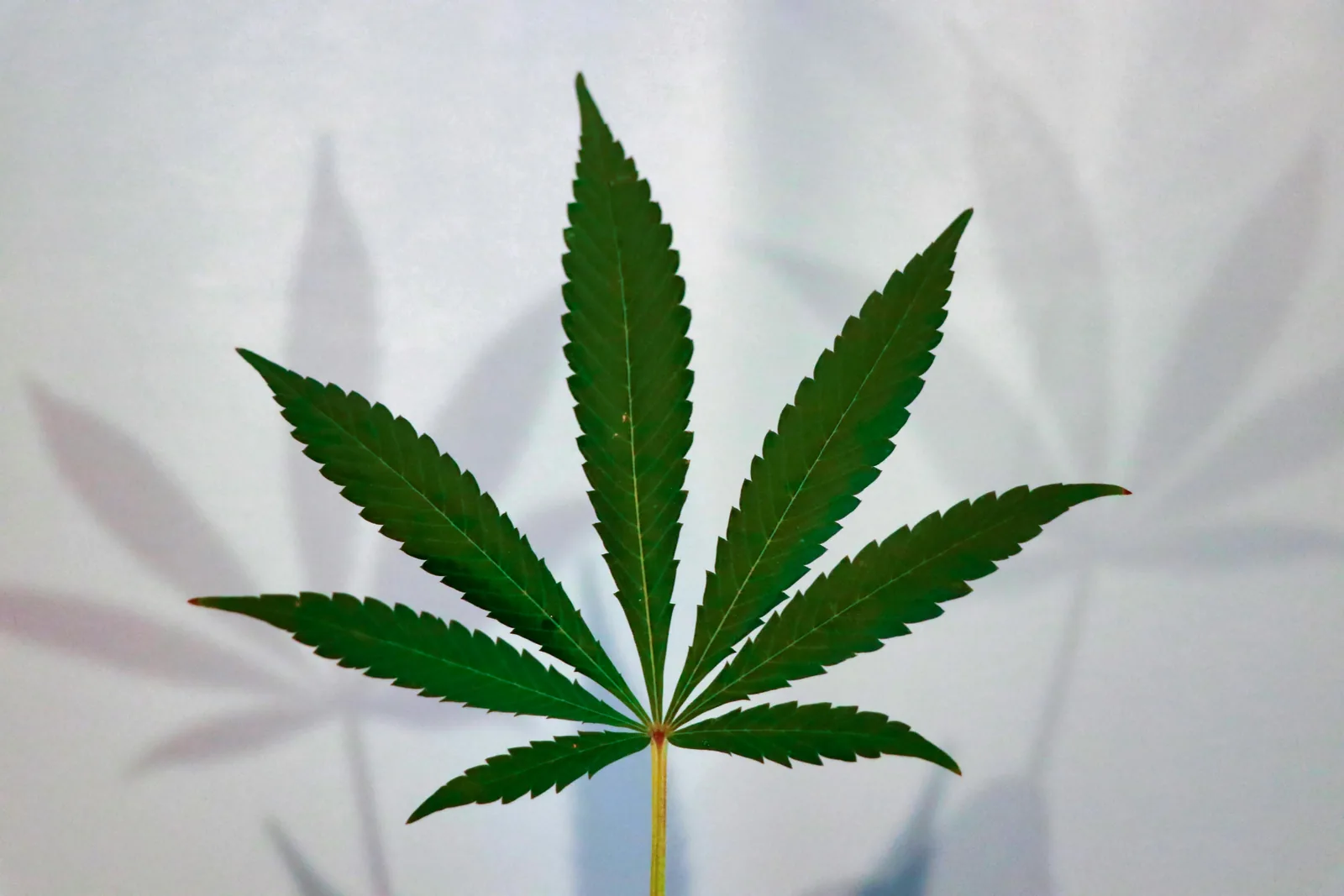
Cannabis (dagga) is harmless
Cannabis can be addictive: NIDA says “studies have estimated that 22% to 30% of people who use cannabis have the disorder”. In SACENDU’s figures for July to December 2025, cannabis was the leading primary substance for people entering specialist treatment in the Northern Region (37%), the Eastern Cape (36%) and Gauteng (35%). The cannabis addiction guide covers the signs and withdrawal.
Alcohol is safer than hard drugs
Legal does not mean safer. The WHO12 attributes 2.6 million deaths worldwide in 2019 to alcohol, and the CDC13 counts about 178,000 deaths a year in the United States from excessive use. Stopping alcohol suddenly is also one of the riskier withdrawals (see Myth 3).
What is treatment at Renewed Life Center actually like?
Many people put off rehab because they picture it as a punishment. In practice the weeks go into rebuilding a life. Every weekday is a full therapeutic day of group work. Your own counsellor works with you one-to-one every week, 45 minutes at a time, and there are 12-step meetings in the evenings. There are recovery walks and weekly outings, clients keep their phone and laptop, visits are possible from the first week, and children can visit.
The therapy works on the reason behind the use:
- CBT catches the thought that says “I need it to cope” and tests it;
- DBT teaches skills for riding out cravings and strong feelings without using;
- EMDR works through the memory the substance was numbing;
- schema therapy and the IFS group trace an old pattern back to where it began;
- family therapy changes what happens at home too.
CBT, DBT, family therapy and 12-step groups are among the interventions the WHO and UNODC International Standards for the Treatment of Drug Use Disorders (2020) describe as effective.
The programme is run by people who know addiction from the inside. Nikki Edwards, who leads it, puts it simply: “I have seen the different treatment models. I’ve also been in many treatment centers myself as a patient.” John Roberts, also our Operations Manager, is most often the person you speak to first. Dr John Wulz, our GP, has a background in mental health and emergency medicine, and reviews any medication a person already takes, such as antidepressants.
Want to know what is true in your family’s case? Ask us on WhatsApp.Want to know what is true in your family’s case? Call +27 79 880 0045, free and confidential.
What happens when you contact us?
- A person replies the same day. The first conversation takes 20 to 40 minutes by WhatsApp, video or phone, costs nothing and stays confidential.
- We ask what is being used, how often and for how long, what has been tried, and what is happening at home.
- You hear what the next steps for treatment could look like. The fee depends on the programme and how long the person stays; we give it on the call and send it in writing the same day.
- Before admission our counsellors do an assessment of 45 to 90 minutes. Admission can be immediate and typically happens within three days of first contact.
Nobody arrives with the right words, and you can write for the person you are worried about.
What else do people ask about addiction myths?
An honest conversation about what is being used and what it is doing to the person and the family. It can be with our team, on WhatsApp, video or phone, and a relative can start it. If the person drinks every day or takes benzodiazepines, sleeping tablets, opioids or codeine, they should not stop suddenly before that conversation.
Yes, people live in long recovery. Because addiction is chronic, recovery is kept up rather than finished, much like managing asthma or high blood pressure. A relapse-prevention plan built for home and, where needed, sober living help protect it after treatment.
The first conversation is confidential. During a stay, the counsellor keeps contact with the family only with the client’s consent, and clients can keep working remotely; how much work fits around the programme is agreed with the counsellor.
Most clients stay into a second month, and the length is agreed with their counsellor. After that, a stage with afternoons out on their own, sober living or an outpatient programme can follow, depending on what the counsellor recommends.
If a myth has kept your family waiting, start with one message.
A free, confidential first conversation and a reply the same day. Tell us what is happening at home, and our team will talk through your situation and the next steps for treatment. Admission can be immediate and typically happens within three days of first contact.
Writing for someone else? You do not need their permission to message us.
or call +27 79 880 0045
Rather we call you back? Leave your number

Sources
- National Institute on Drug Abuse, Drugs, Brains, and Behavior: Treatment and Recovery
- SAMHSA, TIP 45: Detoxification and Substance Abuse Treatment
- National Institute on Drug Abuse, Drug Misuse and Addiction
- Felitti VJ et al. Relationship of childhood abuse and household dysfunction to many of the leading causes of death in adults: the ACE Study. Am J Prev Med (1998)
- National Institute on Drug Abuse, Principles of Drug Addiction Treatment: A Research-Based Guide, third edition
- Moss HB, Chen CM, Yi HY. Subtypes of alcohol dependence in a nationally representative sample. Drug Alcohol Depend 2007
- National Institute on Drug Abuse, Cannabis (Marijuana)
- NHS, Alcohol misuse: treatment
- National Institute on Drug Abuse, Co-Occurring Disorders and Health Conditions
- National Institute on Alcohol Abuse and Alcoholism, Understanding Alcohol Use Disorder
- FDA, boxed warning for the benzodiazepine drug class
- World Health Organization, Alcohol fact sheet
- CDC, About alcohol use
- South African Medical Research Council, SACENDU Research Update, July-December 2025
- UNODC and WHO, International Standards for the Treatment of Drug Use Disorders, 2020
This article is general information, not medical advice.