

What is oxycodone, and is it available in South Africa?
Oxycodone is a Schedule 6 opioid painkiller in South Africa, sold only on a doctor’s prescription and stronger than oral morphine milligram for milligram.

The immediate-release form is registered here as OxyNorm capsules, and the slow-release tablet is OxyContin.
Both can slow breathing enough to kill when taken with alcohol or sleeping tablets, and long-term use can lead to dependence even when it started with a script. At Renewed Life Center in Lakeside, Cape Town, a doctor examines you after you arrive, our medical team runs the detox if you need one, and therapy works on whatever kept the tablets going after the pain eased.
Why is oxycodone so dangerous?
Oxycodone is dangerous because the dose that relieves pain sits close to the dose that slows breathing, and tolerance pushes people towards that line. OxyContin’s US label opens with a boxed warning that addiction, abuse and misuse can lead to overdose and death.
The same FDA label treats someone as opioid-tolerant after a week or more on 60 mg of oral morphine a day, or 30 mg of oral oxycodone. A number that sounds small on the box is a strong dose in the body.
Oxycodone also brings a warm calm, and that calm is what people keep taking it for once the pain has eased. SAHPRA’s OxyNorm insert warns that with chronic use tolerance can develop, so progressively higher doses are needed for the same pain control.
Breathing is where it kills. The FDA label warns of serious, life-threatening or fatal respiratory depression, especially at the start of treatment or after a dose increase. The CDC estimates that opioids were involved in 54,743 of the roughly 80,391 US overdose deaths in 2024.
Mixing makes it worse. Alcohol, benzodiazepines and other sedatives also slow the brain and breathing, so their effects stack on top of the oxycodone.
| Taken with oxycodone | What the official warning says |
|---|---|
| Alcohol | Profound sedation, slowed breathing, coma and death (FDA label) |
| Benzodiazepines (Xanor, Urbanol, Valium) | The same warning: profound sedation, slowed breathing, coma and death (FDA label) |
| Sleeping tablets, tranquillisers, antidepressants, other opioids | Oxycodone strengthens their effects (SAHPRA, OxyNorm insert) |
If someone’s breathing has slowed, they are hard to wake, or their lips or fingertips look blue after taking oxycodone, it is a medical emergency: get emergency help now rather than waiting for a reply from us.
Naloxone, the emergency antidote, can reverse slowed breathing, but it does not replace that help.
Is every type of oxycodone equally dangerous?
Every form carries the same basic risks, because the active substance is the same; what changes is how fast it reaches the brain.
- Immediate-release capsules or tablets wear off within a few hours. In South Africa this is OxyNorm.
- Extended-release tablets release the dose slowly over the day. OxyContin is the best-known brand.
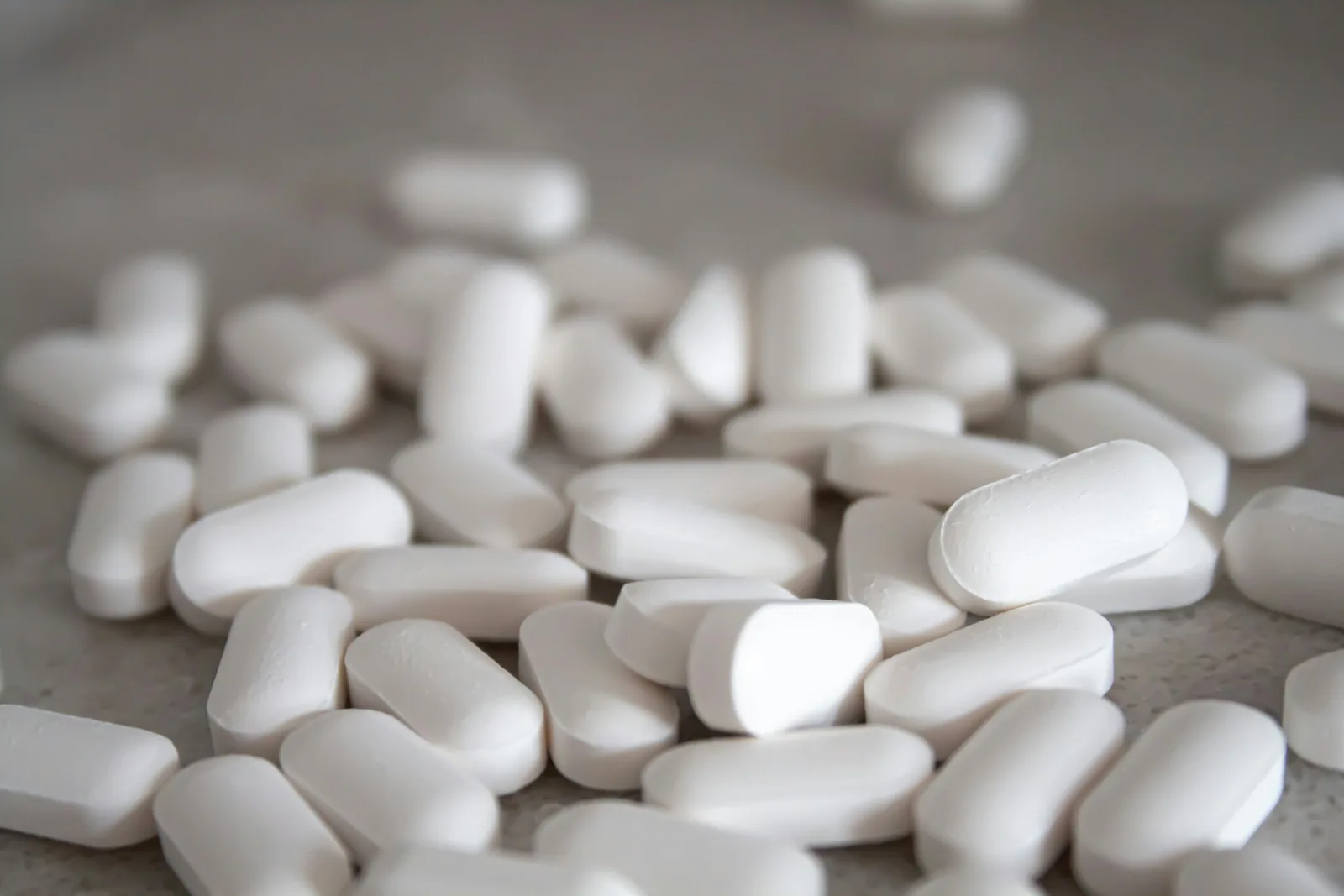
How it is taken matters more than the brand. Crushed, chewed, snorted or dissolved for injecting, a slow-release tablet can deliver the whole day’s dose at once, which is why the tablet was redesigned.
What are the brand names of oxycodone?
The brand names of oxycodone depend on the country. In South Africa you will meet OxyNorm, the immediate-release form with a SAHPRA-approved package insert, and OxyContin, the extended-release tablet. Other countries sell the same substance under other names, and the risks are the same under every one of them.
Is OxyContin still prescribed?
Yes, OxyContin is still prescribed, but only in the reformulated, harder-to-crush version, on sale in the United States since 2010. The FDA determined that the original tablets were withdrawn from sale for reasons of safety or effectiveness, and in April 2013 it approved labelling that describes the abuse-deterrent properties of the reformulated tablet. In the United States the label lists oxycodone as a Schedule II controlled substance.
OxyContin in South Africa: can you get it?
Only on prescription: oxycodone in South Africa is Schedule 6 whatever the brand, with a written script, a controlled pharmacy register and a limited supply. Tablets bought without a script, online or from a friend’s leftovers, carry every risk above with no one checking the dose.
Over-the-counter and prescription medicines are a small share of treatment admissions here, between 1% and 3% by region in SACENDU’s July to December 2025 report. The same report found that 63% of people in treatment in the Western Cape used more than one substance, and mixing is where oxycodone turns deadly.
What signs indicate that someone is using oxycodone?
The clearest sign is that the tablets run out before the date on the script. Around that, the signs fall into three groups.
Physical signs include:
- Drowsiness: nodding off mid-conversation, hard to wake.
- Pinpoint pupils: smaller than the light in the room explains.
- Slow, slurred speech, clumsiness, constipation, itching.
Cognitive signs include poor concentration and bad decisions, such as driving after a dose or mixing tablets with wine.
Psychosocial signs include:
- Mood that follows the dose: warm after it, irritable and anxious before the next.
- A second doctor or pharmacy, scripts “lost”, tablets taken for stress or sleep rather than pain.
- Secrecy about money, or medicine missing from other people’s cupboards.
At home it often looks like this: the back operation was a year ago, yet the box is always on the bedside table and the mood drops on the day it is empty.
If you are asking about yourself, the same pattern shows from the inside: more tablets than the script allows, or one taken for stress rather than pain, plans to cut down that do not hold, and sweating and restlessness when a dose is late. If that is familiar, do not stop suddenly on your own. Message us with what you take and how often, and tell us what made cutting down hard; we take it from there.
How can you quit an oxycodone addiction?
You quit oxycodone in two steps: a medically supervised detox, so the body comes off the opioid safely, and therapy for whatever else the tablets were treating. Skip the first and withdrawal drives you back to the box. Skip the second and the reason you took them is still there afterwards.
Dependence does not need misuse. SAHPRA’s OxyNorm insert states that prolonged use may lead to physical dependence, and that a withdrawal syndrome may occur when the medicine is stopped abruptly.
If the oxycodone is prescribed and you take it as directed, start with the doctor who prescribed it. Do not cut or stop the dose on your own: that doctor sets any reduction. The same insert says that when a patient no longer needs the capsules, it may be advisable to taper the dose gradually to prevent withdrawal. For some people a doctor recommends long-term methadone or buprenorphine instead; that is a medical decision, and the doctor who prescribes it manages it.
A plan with your doctor often stops working once the tablets have taken over: you take more than prescribed, a second doctor or pharmacy is involved, oxycodone is mixed with alcohol or sleeping tablets, or every attempt to cut down has ended at the box again. That is the point where a supervised detox and residential treatment make sense.
Pain usually brings oxycodone in, and often something else keeps it there: a divorce, a grief nobody talked about, anxiety that was never treated. NIDA advises treating co-occurring conditions at the same time. With us, the same team works on both the tablets and the anxiety, grief or trauma under them. Ruby Weber, the psychologist who heads psychology at the centre, has more than 20 years in the addictions field.
How can you help someone quit oxycodone?
You help someone quit oxycodone by naming what you have seen, calmly and once, with the next step ready before you speak. Pick a moment when they are not due a dose, talk about specific things (the empty box, the second pharmacy), and expect denial the first time.
- Do not hide or flush their tablets. Sudden withdrawal pushes people towards whatever they can find.
- Do not cover for them at work or with the family.
- Have the call lined up. A relative can talk to our team before the person has agreed to come, and during the stay your counsellor contacts the family only with your consent.
The guide on how to talk to a loved one about rehab covers the conversation step by step. Once treatment starts, families join a group by video every week, and visits are possible from the first week.
What happens during the treatment of oxycodone addiction in a rehab clinic?
Treatment of oxycodone addiction usually starts with a medical detox and moves into therapy aimed at the reason the tablets mattered so much. SAMHSA’s detox guidance is plain that detoxification alone is not sufficient treatment.
Dr John Wulz, our GP, who has a background in mental health and emergency medicine, examines you after you arrive and reviews the medicines you already take, painkillers among them. If you need a detox, our medical team runs it, from three days to two weeks depending on what your body needs. If oxycodone sits on top of alcohol or sleeping tablets, the detox is planned around everything you take.
Your own counsellor works with you one-to-one every week, alongside group work every weekday. The WHO and UNODC international standards list cognitive behavioural therapy, dialectical behavioural therapy and family therapy among the approaches that have proved effective for drug use disorders, and each has a job here:
- CBT catches the thought that comes before the tablet (“I will not cope today without it”).
- DBT teaches how to sit through a bad night or a pain flare without reaching for something.
- Schema therapy and EMDR work on old patterns and on the trauma the opioid kept quiet.
- Relapse prevention and family therapy map your triggers and repair what secrecy did at home.
We plan in months. In the first month you live at the centre and get safe and steady, with therapy every weekday. Most clients stay into a second month for deeper work on what the tablets were covering. After that, the Recovery Integration Programme lets you go out on your own in the afternoons while you still live with us and keep the therapy, a step closer to ordinary life. Every discharge includes a written relapse-prevention plan built for your home, and we keep in touch with former clients.
Nikki Edwards leads the programme as Programme Director and Clinical Manager, and John Roberts, Senior Recovery Specialist and Operations Manager, is usually the first person you speak to. Both have lived it themselves: Nikki has 11 years in recovery, John 39.
Can you come to Cape Town from abroad to quit oxycodone?
Yes. Many people find it easier to stop away from the usual pharmacy and the routines built around the tablets. We meet you at Cape Town airport, and if you are still taking oxycodone or anything else when you travel, we can arrange for someone to travel with you, from home or from the airport.
Want to know what treatment would look like for you? Ask about oxycodone treatment.Want to know what treatment would look like for you? Call +27 79 880 0045, free and confidential.
What are the withdrawal symptoms of oxycodone?
The withdrawal symptoms of oxycodone are restlessness, watery eyes, a runny nose, yawning, sweating, chills, muscle pain, anxiety, stomach cramps, insomnia, nausea, vomiting, diarrhoea and a faster heart, as listed in SAHPRA’s package insert for OxyNorm.
They start as the last dose wears off and ease over the following days. The MSD Manual calls the syndrome severely uncomfortable but not life threatening, and notes that minor metabolic and physical withdrawal effects may persist for up to 6 months. Low mood, poor sleep and cravings are what linger.
The cramps and restless legs at night are what send people back to a tablet “just to sleep”. If you take oxycodone daily, do not stop on your own. On a script taken as directed, the prescribing doctor sets the pace of any reduction; if the tablets have gone beyond the script, message us to talk through a supervised detox.
If withdrawal has already started at home and there are no emergency signs, get a medical assessment today from your own doctor or a clinic, and talk to us at the same time about a supervised detox. A WhatsApp reply from us is not medical care for withdrawal that is already under way.
How does quitting oxycodone differ from quitting other drugs?
With oxycodone the withdrawal itself is rarely the threat; the return to an old dose is. SAMHSA’s detox guide notes that, unlike alcohol and sedative withdrawal, uncomplicated opioid withdrawal is not life-threatening. Coming off benzodiazepines or heavy drinking can cause seizures, so a mix with either needs a medical detox for that reason alone.
Tolerance falls quickly once you stop, and the WHO lists recent periods of abstinence as a major risk factor for fatal opioid overdose. A dose that felt normal a month ago can stop your breathing after a few clean weeks, which is why the plan for going home matters as much as the detox.
Opioids also have their own medicines: the FDA has approved buprenorphine, methadone and naltrexone for opioid use disorder. Whether one fits is a decision for a doctor who has assessed you, and the prescribing doctor manages it. The withdrawal pattern is close to codeine withdrawal and heroin withdrawal, and medical detox in Cape Town explains how the first days are managed.
How do you start?
You start with a free, confidential conversation of 20 to 40 minutes by WhatsApp, video or phone, usually with John Roberts. Tell us what you take, since when, whether it is on a script and what else is in the mix; that is enough to begin.
How you get here
-
A free first call
A partner or parent can make it instead of you. The fee depends on the programme and how long you stay; we give it on that call and send it in writing the same day.
-
Clinical assessment
45 to 90 minutes with our counsellors: what you take, how often, what else is going on, and what happened the last time you tried to stop.
-
Admission
Admission can be immediate and typically happens within three days of first contact. More on drug addiction treatment in Cape Town.
Questions people ask
Yes, on a doctor’s prescription only. It is a Schedule 6 medicine under SAHPRA, and the immediate-release form is sold as OxyNorm.
Oxycodone is the active substance. OxyContin is the brand of the extended-release tablet, and OxyNorm the immediate-release form sold in South Africa.
Stronger, milligram for milligram. The FDA label counts 30 mg of oral oxycodone a day as the same tolerance threshold as 60 mg of oral morphine a day.
Not if you take it every day. MedlinePlus warns that stopping suddenly can bring on withdrawal symptoms such as restlessness. If it is prescribed, do not cut or stop the dose yourself: the prescribing doctor plans any reduction. If you take more than prescribed, mix it with alcohol or sleeping tablets, or cannot keep to the dose, message us to talk through a supervised detox. The bigger danger is a return to the old dose after tolerance has dropped.
The main symptoms ease over the days after the last dose, while sleep, mood and cravings take longer. The MSD Manual notes that minor effects may persist for up to 6 months.
Yes. Both slow breathing, and together they can cause profound sedation, coma and death, the FDA label warns. Slow breathing or someone who cannot be woken is a medical emergency: get emergency help straight away, without waiting to hear from us.
If a prescription has become the thing you plan your day around, talk to us.
A free, confidential call of twenty to forty minutes, for yourself or someone you love. A doctor examines you after you arrive, and if you need a detox, our medical team runs it; then therapy works on why the tablets mattered. Admission typically happens within three days of first contact.
Writing for someone else? You do not need their permission to message us.
or call +27 79 880 0045
Rather we call you back? Leave your number

Sources
- FDA-approved prescribing information for OxyContin, DailyMed
- SAHPRA, Consolidated Schedules of medicines, 1 August 2025
- SAHPRA, approved package insert for OxyNorm (Mundipharma)
- MedlinePlus, Oxycodone
- FDA determination on original OxyContin withdrawal and reformulation, Federal Register, 2013
- CDC, provisional drug overdose death data, 2024
- SAMRC, SACENDU Research Update, July to December 2025
- NIDA, Co-occurring disorders and health conditions
- SAMHSA, TIP 45: Detoxification and Substance Abuse Treatment
- WHO and UNODC, International Standards for the Treatment of Drug Use Disorders, 2020
- MSD Manual Professional Edition, Opioid Toxicity and Withdrawal
- WHO, Opioid overdose fact sheet
- FDA, Information about Medications for Opioid Use Disorder (MOUD)
This article is general information, not medical advice.