

Is Lyrica (pregabalin) addictive?
Lyrica (pregabalin) can cause dependence even at a normal dose. What SAHPRA’s own package insert says about the risk, why the UK made it a controlled drug, the danger of mixing it with opioids or alcohol, and how a safe taper works.

In short
- Pregabalin (Lyrica) can cause dependence at ordinary doses, not only when someone takes more than prescribed. Its South African package insert says so directly: “LYRICA can cause drug dependence, which may occur at therapeutic doses.”
- In South Africa, Lyrica is registered only for nerve pain, not for anxiety or epilepsy. That is narrower than in Europe, where the same medicine is also registered for generalised anxiety disorder and as an add-on treatment for certain types of seizures.
- Mixed with opioids, alcohol or other sedatives, it can stop someone breathing. Lyrica’s own label cites a study where adding pregabalin to an opioid raised the odds of an opioid-related death 1.68 times, and in England and Wales pregabalin was named on 617 death certificates in 2024.
- Renewed Life Center treats pregabalin dependence as part of a bigger clinical picture. Detox runs under 24-hour nursing supervision, medication is a doctor’s decision, and admission can be immediate, typically within three days of first contact.
Taking Lyrica or pregabalin and worried about where it is heading? Book a free, confidential call. Twenty to forty minutes, we reply the same day, and a relative can make the call.
A doctor writes “pregabalin” or “Lyrica” on a script for nerve pain, or hands it over to steady someone through a hard few weeks, and it does what it is meant to. The pain eases. The mind stops circling. Months later comes the harder question: needing a bit more to feel the same, or finding that a missed dose brings the anxiety back worse than before.
Is Lyrica (pregabalin) addictive?
Yes, Lyrica (pregabalin) can be addictive, according to both the regulator and independent research, and not only in cases of misuse. The South African label is direct: “LYRICA can cause drug dependence, which may occur at therapeutic doses. Cases of abuse, misuse and dependence have been reported.”
The same document names who is most at risk: “Patients with a history of substance abuse and/or psychiatric disorders may be at higher risk for LYRICA misuse, abuse and dependence.” It tells prescribers to watch for “development of tolerance, dose escalation and drug-seeking behaviour.”
Independent research agrees. A systematic review covering 106 studies found pregabalin “somewhat more addictive than gabapentin,” and identified the people most at risk as those with a current or past substance use disorder, mostly involving opioids or several drugs at once, who tended to prefer pregabalin over gabapentin.
What is pregabalin, and why is it prescribed?
Pregabalin is a prescription medicine sold in South Africa under the brand Lyrica. SAHPRA has registered it for adult patients with neuropathic pain caused by shingles (herpes zoster) or diabetes, according to Lyrica’s approved package insert. It is a Schedule 5 medicine, so it can only be dispensed against a doctor’s prescription. The usual starting dose is 75mg twice a day, 150mg in total, per the same document.
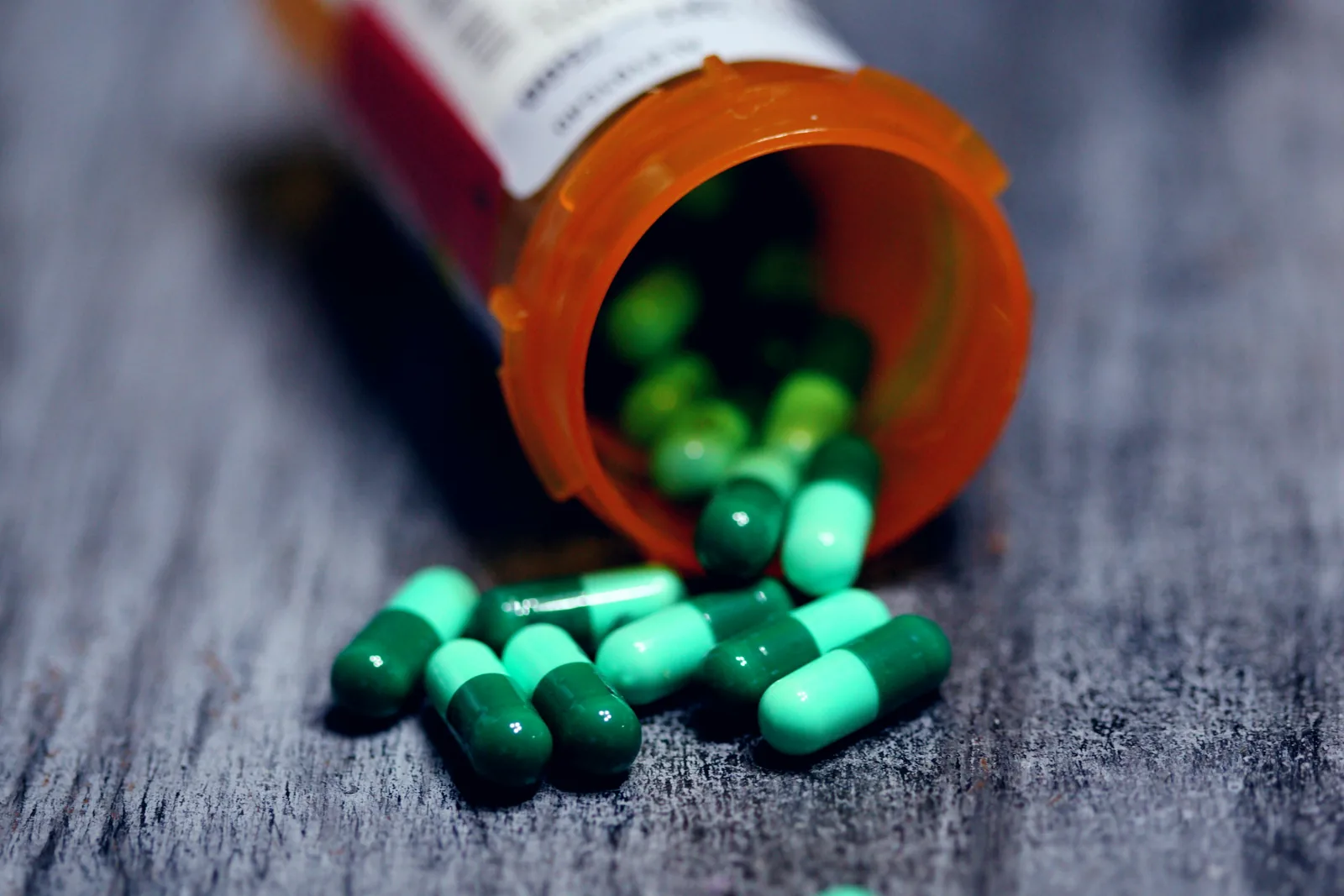
It is not a painkiller in the ordinary sense. Pregabalin calms an overactive nervous system, which is why it settles nerve pain and, for some people, produces a sense of ease alongside it: euphoric mood is listed as a common side effect in its South African package insert. That calming action is also the reason it works, and the reason stopping it is not simply a matter of deciding to.
Is pregabalin used for anxiety or epilepsy in South Africa?
Pregabalin is not officially used for anxiety or epilepsy in South Africa: SAHPRA’s approved use for Lyrica is neuropathic pain only. Elsewhere, the same molecule is registered for more.
| Indication | South Africa (SAHPRA) | EU (EMA) |
|---|---|---|
| Neuropathic pain | Yes, shingles and diabetic nerve pain | Yes, peripheral and central |
| Generalised anxiety disorder | Not a registered indication | Yes |
| Epilepsy (add-on therapy) | Not a registered indication | Yes, for certain seizure types |
Source: SAHPRA-approved Lyrica package insert (Viatris, 4 August 2025) and the EMA product information for Lyrica.
If pregabalin was prescribed for anxiety or as part of epilepsy care in South Africa, that reflects the prescribing doctor’s own clinical judgement, not the approved local indication. The gap matters because it shapes what a patient is told to expect, and how closely the dependence risk should be watched.
Pregabalin addiction: who is most at risk, and why?
Pregabalin addiction develops most often in people with an existing or past substance problem, and in some who simply took more of a working medicine because it stopped working as well. The pattern the label describes, tolerance building and the dose creeping up, is the same pattern researchers found: the same systematic review of 106 studies names people with an existing or past opioid or multi-drug problem as the group most likely to seek pregabalin out specifically.
For most people, none of this started as recreational. Pregabalin was doing a job: taking the edge off pain that would not settle, or quieting a mind that would not stop circling at two in the morning. It worked, and that is exactly why stopping is hard. A nervous system that has adjusted to being calmed every day does not switch back on will alone.
That is also why the label singles out a psychiatric history or a past substance problem as the higher-risk group: judging that history properly, and what it means for someone’s medication, is a psychologist’s job, not something to work out alone at a pharmacy counter. At Renewed Life Center, Dr Ruby Weber leads the psychological side of care, with more than two decades in the addictions field working with both South African and international clients.
If pregabalin has quietly become the thing that gets you through the day, that is worth a proper look. Book a free, confidential call; we reply the same day.
Why did the UK make pregabalin a controlled drug in 2019?
The UK made pregabalin a controlled drug in 2019 because reports of misuse and dependence were climbing, and so were deaths. From 1 April 2019, the UK moved pregabalin and gabapentin into Schedule 3 as Class C controlled drugs, according to the MHRA, the UK medicines regulator, which had by then gathered 113 reports of abuse and 98 reports of dependence linked to pregabalin.
The deaths behind that decision were rising fast. Combined pregabalin and gabapentin deaths in England and Wales went from 64 in 2014 to 170 in 2016, “and concerns have been raised by a number of organisations relating to their harms,” the government’s own impact assessment recorded. Looking at pregabalin on its own, deaths climbed from 38 in 2014 to 111 in 2016.
| Year | Deaths |
|---|---|
| 2014 | 38 |
| 2016 | 111 |
| 2024 | 617 |
Source: UK government impact assessment on gabapentinoid scheduling (2014 and 2016 figures) and the Office for National Statistics, deaths related to drug poisoning, 2024 registrations.
Controlling the drug did not reverse the trend. By 2024, pregabalin was named on 617 death certificates in England and Wales, part of a record 5,565 drug poisoning deaths that year, up 2.1% on 2023’s 5,448, the highest total since records began. This is a British picture, not a South African one: SACENDU, the body that tracks treatment admissions across South Africa, does not report pregabalin as its own category, so there is no equivalent local figure to give.
Why is it dangerous to mix pregabalin with opioids, alcohol or other sedatives?
Mixing pregabalin with opioids, alcohol or other sedatives is dangerous because together they slow breathing further than either does alone, and the evidence for that is not theoretical. In an observational study of opioid users cited in Lyrica’s own label, people who took pregabalin alongside an opioid had a higher risk of an opioid-related death than opioid use on its own: an adjusted odds ratio of 1.68 (95% CI, 1.19 to 2.36).
The label goes further: “in post-marketing experience, there are reports of respiratory failure, coma and deaths in patients taking LYRICA and other CNS depressant medicines, including in patients who are substance abusers.” The UK regulator separately warns that severe respiratory depression has occurred with pregabalin “including some cases without the presence of concomitant opioid medicines,” so the risk is not only about opioids.
Drinking alcohol on pregabalin is not safe for the same reason. Alcohol is a central nervous system depressant in its own right, which is exactly the class of medicine the label warns against combining with pregabalin, so the same caution applies to a few drinks as to a sleeping tablet or an opioid painkiller. Anyone taking an opioid painkiller alongside pregabalin should tell every prescriber, every time, rather than treating it as a minor detail.
Emergency: call an ambulance on 10177, or 112 from a mobile, if someone taking pregabalin has
- slow, shallow or laboured breathing
- extreme drowsiness, or cannot be woken properly
- blue lips or fingertips
Tell the paramedics everything that was taken, including alcohol, opioids, sleeping tablets or other sedatives.
What does pregabalin withdrawal feel like, and why can’t you just stop?
Pregabalin withdrawal can include insomnia, headache, nausea, anxiety and diarrhoea, according to the South African label, whether treatment was short or long term. It happens because once the body has adjusted to the medicine, stopping suddenly triggers a recognised withdrawal syndrome that can set in sooner than people expect.
The EU product information sets out a longer list: insomnia, headache, nausea, anxiety, diarrhoea, flu-like symptoms, nervousness, depression, suicidal thoughts, pain, convulsions, heavy sweating and dizziness. The UK regulator has made the same point about timing that matters most: “prolonged use of these medications may lead to drug addiction and dependence, but these effects can also occur with short-term use at recommended therapeutic doses.” A short course at the prescribed dose does not rule withdrawal out. Convulsions are on the EU list too: a seizure while coming off pregabalin is an emergency, so call 10177, or 112 from a mobile.
If withdrawal ever turns into thoughts of not wanting to be here, the Suicide Crisis Helpline is 0800 567 567, day or night.
How does a safe pregabalin taper work?
A safe pregabalin taper happens slowly and under a doctor, not on a fixed schedule worked out at home. If Lyrica needs to be stopped, “this should be done gradually over a minimum of 1 week,” according to the South African label. For anyone on a high dose, the UK regulator notes that tapering “may take weeks or months,” and recommends that a doctor and patient agree a plan for reducing or ending treatment before it even starts.
The right pace depends on the dose, how long it has been taken, and what else is going on, and that is a clinical judgement, not a chart.
Why choose Renewed Life Center for pregabalin dependence?
Pregabalin dependence is rarely the whole story, and it is not treated here as if it were. Anxiety, pain, a drinking pattern, or whatever pregabalin was quieting gets worked through on the same plan, in one house.
Medication stays a doctor’s decision. Dr John Wulz, our resident GP, assesses every arrival, and medication is prescribed only when clinically indicated, by a medical professional, never guessed at.
Detox under 24-hour nursing supervision. Where withdrawal needs medical management, it happens on site, with nurses on duty around the clock and a doctor overseeing the plan.
One plan for the medicine and what it was treating. Our dual diagnosis approach treats anxiety, pain-related distress or a drinking problem alongside pregabalin dependence rather than sending it elsewhere.
Payment is direct, so the clinical picture sets the length of stay, not a scheme’s yearly limit. Renewed Life Center is in Lakeside, in Cape Town’s Southern Suburbs, and airport transfers are included both ways for people flying in.
When do you need help, and how do you start?
You need help as soon as pregabalin stops feeling optional, whichever way that shows up: needing more for the same effect, dreading a missed dose, or simply wanting an honest second opinion on a script that has run for years. Waiting for a crisis is not a requirement.
How you get here
-
A free first call
No obligation, no judgement. A partner or parent can make it.
-
Clinical assessment
What you take, how long, what else is going on, and what has happened when a dose was missed or cut.
-
Admission
Can be immediate. More on medical detox in Cape Town.
If you are asking on behalf of someone else, our guide on how to talk to a loved one about rehab covers how to raise it without it turning into a fight.
Write to us about the pregabalin, or book a free, confidential call straight away.
Questions people ask
Yes. Lyrica is the brand name for pregabalin, in South Africa and in the EU alike. Generic pregabalin contains the same active ingredient and is prescribed under the same rules.
Pregabalin calms an overactive nervous system, which is how it settles nerve pain. Lyrica’s South African label lists euphoric mood as a common side effect. Over time the nervous system adjusts to being calmed, which is why stopping suddenly can bring on withdrawal.
In South Africa, pregabalin is a Schedule 5 medicine, dispensed only against a prescription. In the UK it has been a Schedule 3, Class C controlled drug since 1 April 2019, because of rising misuse and dependence.
Not officially: pregabalin’s SAHPRA-approved indication in South Africa is neuropathic pain only. It is registered for generalised anxiety disorder in the EU, so a South African prescription for anxiety reflects a doctor’s own clinical judgement, not the local label.
Pregabalin withdrawal has no fixed length: the label recommends stopping over a minimum of one week, and tapering from a high dose can take weeks or months. Symptoms can include insomnia, headache, nausea and anxiety, and the pace should be set by a doctor, not a fixed date.
A systematic review of 106 studies found pregabalin somewhat more addictive than gabapentin, with people who have a current or past substance use problem, especially with opioids, most at risk.
Drinking on pregabalin is not safe. Alcohol is a central nervous system depressant, and Lyrica’s South African label reports respiratory failure, coma and deaths in people taking pregabalin with other CNS depressants. Tell your doctor honestly how much you drink.
The risk is highest in combination, but not limited to it. Taken with an opioid, alcohol or another sedative, it raises the risk of severe breathing problems, coma and death, and the MHRA has recorded severe breathing problems with pregabalin even without opioids.
This article is general information, not medical advice.
Sources
- SAHPRA-approved Lyrica package insert, Viatris, 4 August 2025
- EMA product information for Lyrica
- MHRA Drug Safety Update: pregabalin and gabapentin scheduling from 1 April 2019
- UK government impact assessment on gabapentinoid scheduling, 2018
- Office for National Statistics, deaths related to drug poisoning in England and Wales, 2024 registrations
- MHRA Drug Safety Update: pregabalin and severe respiratory depression
- MHRA Drug Safety Update: improving information supplied with gabapentinoids, 2026
- Bonnet & Scherbaum, How addictive are gabapentin and pregabalin? A systematic review, European Neuropsychopharmacology, 2017
Taking Lyrica and unsure what happens next? Talk to us before you change anything.
A free first conversation, a clinical assessment that can happen within days, and admission that can be immediate, typically within three days of first contact.
Free first conversation of 20 to 40 minutes, by WhatsApp, video or phone. We reply the same day.

Leave a request for consultation
Tell us a little about the situation. The first conversation is free and confidential, and we reply the same day.