

What is GHB (liquid G), and why is it so dangerous?
GHB (G, liquid G) is a depressant drug, and less than one millilitre can separate a dose that gets someone high from one that knocks them out, the NHS chemsex service says.

GBL turns into GHB in the body, so the risks below apply to both.
What is GHB, and how does it work?
GHB is a depressant that slows the brain and breathing, and at a small dose it feels a lot like being drunk: relaxed, euphoric, chatty and less inhibited. GHB and GBL are colourless oily liquids, FRANK notes. That is why people mix them into a soft drink, and why a dose disappears so easily into someone else’s glass.
It is measured by the millilitre, with a syringe, a pipette or a bottle cap. According to StatPearls, GHB starts working within 5 to 15 minutes and lasts two to four hours, but street G can take up to an hour to kick in. That spread is what catches people out: someone feels nothing, takes a second capful to catch up, and both doses land together. The NHS chemsex service advises waiting at least 3 hours before a second dose, because strength changes from batch to batch.
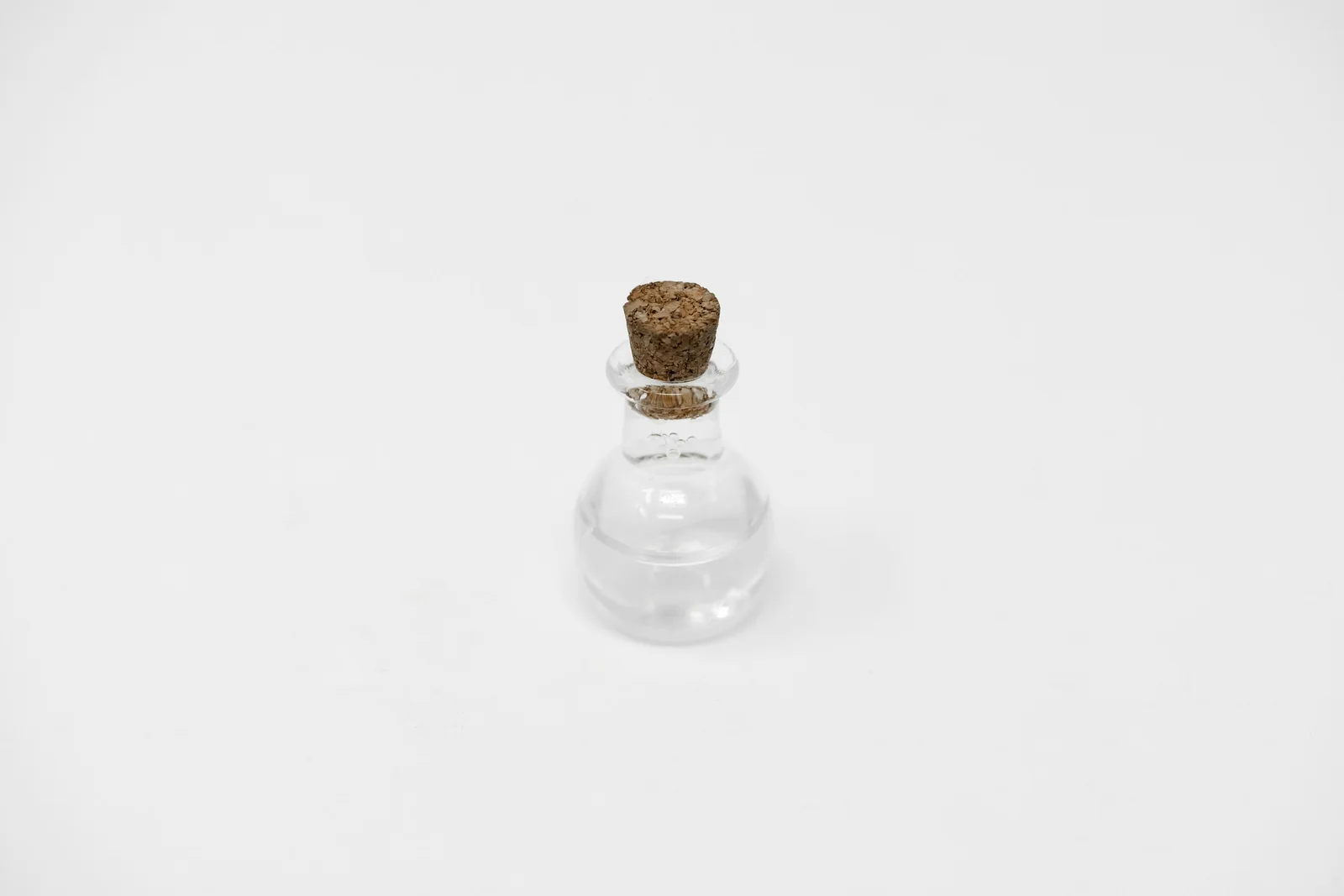
The dose curve is steep. By StatPearls figures, around 10 mg per kilogram of body weight brings on memory loss and sedation, 20 to 30 mg/kg leads to cycles of deep sleep, and 50 mg/kg causes a dangerously slow heart rate, slowed breathing and coma.
What are the short- and long-term effects of GHB?
In the short term GHB brings euphoria, loss of inhibition and a higher sex drive, then drowsiness and sudden deep sleep, memory gaps, nausea, vomiting and slurred speech as the dose rises.
Over time the effects add up:
- dependence, which the NHS chemsex service says can develop quickly;
- a body that needs another dose every few hours, through the night as well, to hold off withdrawal;
- repeated “going under”, each one close to an overdose;
- memory problems: in a study of 103 people in GHB detox, 30.6% still screened positive for cognitive impairment once the detox was over (Beurmanjer and colleagues, 2022);
- broken sleep, rising anxiety between doses, and lost days at work.
What are the signs of GHB addiction?
The clearest sign of GHB addiction is dosing by the clock: people dependent on GHB typically take it every 2 to 3 hours to prevent withdrawal, according to a 2021 study in the Journal of Clinical Medicine. A partner or parent tends to notice an alarm going off in the night, small bottles that never leave their side, falling asleep mid-sentence, and shaking and panic on the mornings when the bottle has run out.
Three questions tell you more than any list. Do you take G every few hours, including through the night? Have you used it more than 7 days in a row? When you tried to stop, did anxiety, shaking or sleeplessness start soon after? If the answer to any of them is yes, do not stop suddenly on your own. The NHS chemsex service tells anyone who has taken G for more than 7 days in a row not to try to stop by themselves.
Write to us before you stop rather than after; following an assessment, our medical team decides whether you need a medical detox. If you are the one who has noticed the signs, you can talk to our team before the person has agreed to come.
Why do people keep using G?
People keep using G because it does a job: it quiets the anxiety that makes a packed room or a stranger’s flat unbearable, smooths over a comedown, and keeps a session going. Take the G away and the anxiety is still there, which is why willpower on its own rarely holds. That anxiety often has a history, sometimes years of shame or of hiding part of yourself.
At Renewed Life Center in Lakeside, Cape Town, we treat the G use together with the anxiety, depression or trauma under it. Ruby Weber, the psychologist who heads psychology at the centre, has more than 20 years in the addictions field and leads the psychological side of our dual diagnosis work, including the trauma work.
What are GHB overdose and withdrawal?
GHB overdose and GHB withdrawal are the two ways this drug kills: overdose in a single night, withdrawal when regular use stops suddenly. Both need medical care.
What is a GHB overdose?
A GHB overdose is the point where the brain’s drive to breathe slows down enough to be dangerous. FRANK, the UK drug advice service, says it is very easy to overdose4 on GHB and GBL. The signs are a person who cannot be woken by shaking or shouting, slow breathing and a slow heart rate.
There is no antidote, so hospital treatment means protecting the airway and monitoring. Alcohol makes all of it worse: the NHS chemsex service warns never to mix the two because together they can kill, and alcohol was the other substance in 76% of GHB-related emergency department visits1, according to StatPearls. Benzodiazepines and sleeping tablets push in the same direction (see benzo withdrawal).
If someone cannot be woken or is breathing slowly after GHB, G or GBL, it is a medical emergency: get emergency help now rather than waiting for a reply from us.
While help is on the way, turn them onto their side if they are breathing normally, so the airway stays open and vomit can drain, as St John Ambulance advises. If they are not breathing normally, tell the call-handler straight away and follow their instructions for CPR. Stay with them, give them nothing else, including more G to “bring them round”, and tell the paramedics what was taken and when, including alcohol.
What is GHB withdrawal?
GHB withdrawal is what happens when a body used to a dose every few hours suddenly gets none, and it can turn dangerous within a day. Early anxiety, tremor, a fast heart rate and insomnia can quickly get worse within 24 hours; severe symptoms are life-threatening, can last up to 15 days and are treated with benzodiazepines in intensive care, StatPearls says. Abrupt withdrawal without adequate treatment leads to delirium in over 50% of cases2 (Wolf and colleagues, 2021).
| Time since last dose | What can happen | What to do |
|---|---|---|
| Soon after the last dose | Anxiety, tremor, a fast heart rate, insomnia | Do not ride this out alone: a doctor’s assessment today, and a message to us about a supervised detox |
| Within 24 hours | The early symptoms can quickly get worse | Confusion, hallucinations or a fit: get emergency help now |
| Untreated, severe cases | Delirium; severe symptoms can last up to 15 days | Hospital care: benzodiazepine treatment in intensive care |
If someone coming off G becomes confused, starts seeing things that are not there or has a fit, call local emergency services immediately. Do not wait for a WhatsApp reply.
If withdrawal has already started at home and none of those signs is there, get a doctor’s assessment today, from your own GP or a clinic, and message us at the same time about a supervised detox. A WhatsApp reply is not medical care for withdrawal that is already under way. If you also drink every day, the alcohol brings a withdrawal of its own, and the detox has to cover both (see the alcohol withdrawal timeline).
With us, the stop is planned before it starts. A doctor examines you after you arrive, and if you need a medical detox, our medical team runs it, from three days to two weeks depending on what your body needs. Dr John Wulz, our GP, has a background in mental health and emergency medicine and reviews the medicines you already take. Withdrawal that has reached delirium is a hospital case, and treatment with us follows once that danger has passed.
Does GHB have a medical use?
Yes, in a measured pharmaceutical form far removed from street G. GHB was first made in 1960 as an anaesthetic; today it is manufactured as sodium oxybate for narcolepsy, and in Europe it is also used in treating alcohol dependence. A prescribed medicine comes in a known strength, while street G does not.
GHB in South Africa
GHB in South Africa shows up in clubs, at house parties and in chemsex sessions, usually bought as a liquid. SAHPRA lists GHB in Schedule 7 of its schedules of medicines and substances.
Why does GHB turn up at chemsex parties and clubs?
GHB lowers inhibition and stretches a session that would otherwise wind down. Chemsex, using drugs like GHB, crystal meth or mephedrone to enhance and prolong sex, often runs over many hours with little sleep between doses. Stimulants mask how sedated someone is, and when they wear off the G is still working.
Is GHB a date rape drug? Signs a drink has been spiked
GHB is one of the drugs used to spike drinks, because it is a colourless liquid that mixes easily into a drink, and at higher doses it causes memory loss and sedation. The signs are in the person, not the glass: sudden drunkenness that does not match what they have had, confusion, loss of coordination and blacking out. Treat it as a GHB overdose: do not leave them, and follow the emergency steps above.
What are the street names for GHB?
Street names for GHB and GBL include G, liquid G, GBH, Geebs, liquid ecstasy, liquid X, Georgia Home Boy and Gamma OH. GBL and 1,4-butanediol are sold under the same names, and the body turns GBL into GHB.
What is liquid G?
Liquid G is GHB or GBL sold as a clear liquid, the form in which it is almost always used. The liquid G drug is a depressant dosed by the millilitre, with a very small gap between a high and an overdose. G is the most common street name for GHB and GBL; GBH is another name, and also a common misspelling of GHB. “Liquid ecstasy” is GHB too, not MDMA (see MDMA addiction), and the name causes real mistakes: someone expecting energy takes more when it does not come, and the GHB catches up.
How is GHB addiction treated?
GHB addiction is treated in two steps: a medical detox that brings someone off G safely, then residential treatment of whatever the G was holding down. Cognitive behavioural therapy picks apart the thought that you cannot face a party, a date or a Friday without a capful. Dialectical behaviour therapy teaches skills for the ten minutes when the craving or the panic is loudest. Both, along with family therapy, are on the list of approaches that the WHO and UNODC treatment standards8 describe as proven effective for drug use disorders. Schema therapy, an IFS group, EMDR and TRE work on older patterns and trauma.
With us, your own counsellor works with you one-to-one every week, alongside group work every weekday, and 12-step meetings run in the evenings. The first month is where the detox ends and the work on what the G was covering begins. Most clients stay into a second month, which goes deeper into trauma, relationships and who you are without G. The programme is led by Nikki Edwards, our Programme Director and Clinical Manager, who also has 11 years of personal recovery and knows the first weeks from the inside. If you cannot take time off work, you can keep working remotely during treatment; how much fits around the programme you agree with your counsellor.
Partners and parents stay part of it: families join a support group by video every week, visits are possible from the first week, and family therapy is part of the programme. Leaving is planned too. Every discharge includes a written relapse-prevention plan built for your home. Sober living on the same property is there if you want a step between the centre and home, an outpatient programme follows if your counsellor recommends it, and we keep in touch with former clients.
Ready to stop G safely? Talk to us about stopping G.Ready to stop G safely? Call +27 79 880 0045, free and confidential.
How do you start?
You start with a conversation. It is free and confidential, takes 20 to 40 minutes by WhatsApp, video or phone, and we reply the same day. Most of these calls are with John Roberts, our Senior Recovery Specialist and Operations Manager, who has 39 years in recovery. It helps to tell him what you take, for how long, how often, and whether you have tried to stop before. Admission can be immediate and typically happens within three days of first contact. The fee depends on the programme and how long you stay; we give it on the first call and send it in writing the same day.
Questions people ask
GHB, gamma-hydroxybutyrate, is a depressant sold as a clear liquid and called G or liquid G. People take it for euphoria, loss of inhibition and a higher sex drive, often in clubs or chemsex sessions, and many use it to quiet anxiety or a comedown.
Because less than one millilitre separates a dose that gets someone high from one that knocks them out, and street G varies in strength. Alcohol is often in the mix, and there is no antidote.
No, not if you use it every day or have used it more than 7 days in a row: untreated GHB withdrawal leads to delirium in over half of cases. Stopping safely means a detox planned after a doctor’s assessment, and our team can talk you through that step before you stop.
Not without a doctor. The NHS chemsex service describes coming off G as a tapered process with medical supervision: the dose comes down under a doctor’s care, not on a schedule worked out at home.
In the body, very little. The body rapidly converts GBL into GHB, so the effects, the overdose risk and the withdrawal are alike. Millilitre for millilitre, though, GBL is stronger, Drug Science notes, so the same capful is not the same dose.
Symptoms can start soon after the last dose and get worse within 24 hours. Severe symptoms can last up to 15 days, which is why stopping regular use is planned with doctors rather than done alone.
Not long: GHB has a half-life of 20 to 60 minutes, according to StatPearls. More in how long drugs stay in your system.
Planning to stop G? Talk to us before you do.
Under the G there is often anxiety or a comedown that keeps the use going. We treat that together with the G use, with a medical detox first if our medical team decides you need one. The first conversation is free and confidential, and we reply the same day.
Writing for someone else? You do not need their permission to message us.
or call +27 79 880 0045
Rather we call you back? Leave your number

Sources
- StatPearls, GHB Toxicity, NCBI Bookshelf
- Wolf et al., Characterization of the GHB Withdrawal Syndrome, Journal of Clinical Medicine, 2021
- NHS, Let’s Talk About It, chemsex support: GHB/GBL (G)
- FRANK, GHB and GBL
- St John Ambulance, The recovery position
- GBL as a precursor of GHB, PubMed Central (PMC8446641)
- Drug Science, GHB and GBL
- UNODC and WHO, International Standards for the Treatment of Drug Use Disorders, 2020
- SAHPRA, Consolidated Schedules, 1 August 2025
- Beurmanjer et al., Cognitive Impairments in Patients with GHB Use Disorder, European Addiction Research, 2022
This article is general information, not medical advice.