

Is it safe to go to rehab in Cape Town, South Africa?
Travel advice for South Africa can sound alarming from home. Here is what the UK and US governments say and what it means for treatment in Lakeside, Cape Town, and for visiting family.
In short
- Travel advice for South Africa asks for caution, and neither government warns against going.The US State Department rates South Africa at Level 2 of 4, “Exercise Increased Caution”, the same level it gives the United Kingdom. The UK Foreign Office has no advice against travel to any part of South Africa.
- Violent crime is concentrated, and a stay in treatment is spent away from the areas the advice names.The Foreign Office says most violent crime happens in townships, informal settlements and other high-density areas. Our centre is a gated property in Lakeside, Cape Town, with staff on site 24 hours a day.
- Good medical care is close by.The Foreign Office calls South Africa’s private medical care “a very high standard”. Every client has a medical assessment by our resident GP, and a private hospital with a 24-hour emergency centre is in the Southern Suburbs.
Weighing up Cape Town? Book a free, confidential call and ask us anything about the trip. We reply the same day.
This guide is for the parent, partner or friend deciding whether someone they love should fly to Cape Town for rehab. The person who would be going will find answers here too. The worry makes sense. South Africa’s crime figures reach the news in the UK and the US, and government travel pages can read like a list of dangers.
Plenty of people make the trip. The UK Foreign Office’s guide to rehab in South Africa (2024) covers treatment abroad from start to finish, and notes that “many people who choose South Africa as a treatment destination have a trouble-free visit”. The FCDO health advice adds that private rehab centres in South Africa “are widely accessible to foreign visitors”.
What do the UK and US governments say about travel to South Africa?
The US State Department rates South Africa at Level 2 of 4, “Exercise Increased Caution”. The advisory names crime, terrorism, civil unrest and kidnapping as the reasons. The UK Foreign, Commonwealth and Development Office (FCDO) warns that “There is a high crime rate in South Africa”, but does not advise against travel to any part of the country.
United Kingdom2
South Africa2
US State Department travel advisory levels, on a scale from 1 (“Exercise Normal Precautions”) to 4 (“Do Not Travel”), as checked on 17 September 2026.
France, Germany and Spain are at Level 2 as well. The advisory for South Africa was issued on 27 May 2025. Crime comes first on its list, and violent crime “is more common in the downtown areas of big cities, especially after dark”. The FCDO advice for South Africa was last updated on 8 July 2026.
| US State Department | UK Foreign Office (FCDO) |
|---|---|
| Overall | |
| Level 2 of 4, “Exercise Increased Caution” | No advice against travel to any part of South Africa |
| Where violent crime is more common | |
| Downtown areas of big cities, especially after dark | Townships, informal settlements, high-density areas, some city centres and isolated areas |
| Townships | |
| Visit only with someone familiar with the area | Go only with a responsible and reliable tour guide |
| Getting around | |
| Avoid walking alone, especially after dark | From Cape Town airport, stay on the M3 and N2 rather than the R300 |
| Health | |
| Buy insurance before you travel | Private medical care is of “a very high standard” |
US advisory issued 27 May 2025. FCDO advice updated 8 July 2026. Both checked on 17 September 2026.
Neither government tells visitors to avoid Cape Town. The State Department keeps “Reconsider Travel” for Level 3 and “Do Not Travel” for Level 4. Level 2 is a call for care, not a warning to stay away.
Much of the practical advice on both pages is about roads and walking after dark, and a client in residential treatment meets little of it.
Where is crime a risk in Cape Town, and where is the centre?
The FCDO safety advice says that “Most violent crimes occur in townships, informal settlements, and other high-density areas, as well as in some city centres and isolated areas”. The risk is higher after dark. Renewed Life Center is in Lakeside, a residential suburb in Cape Town’s Southern Suburbs, on a gated property below the mountain ridge.
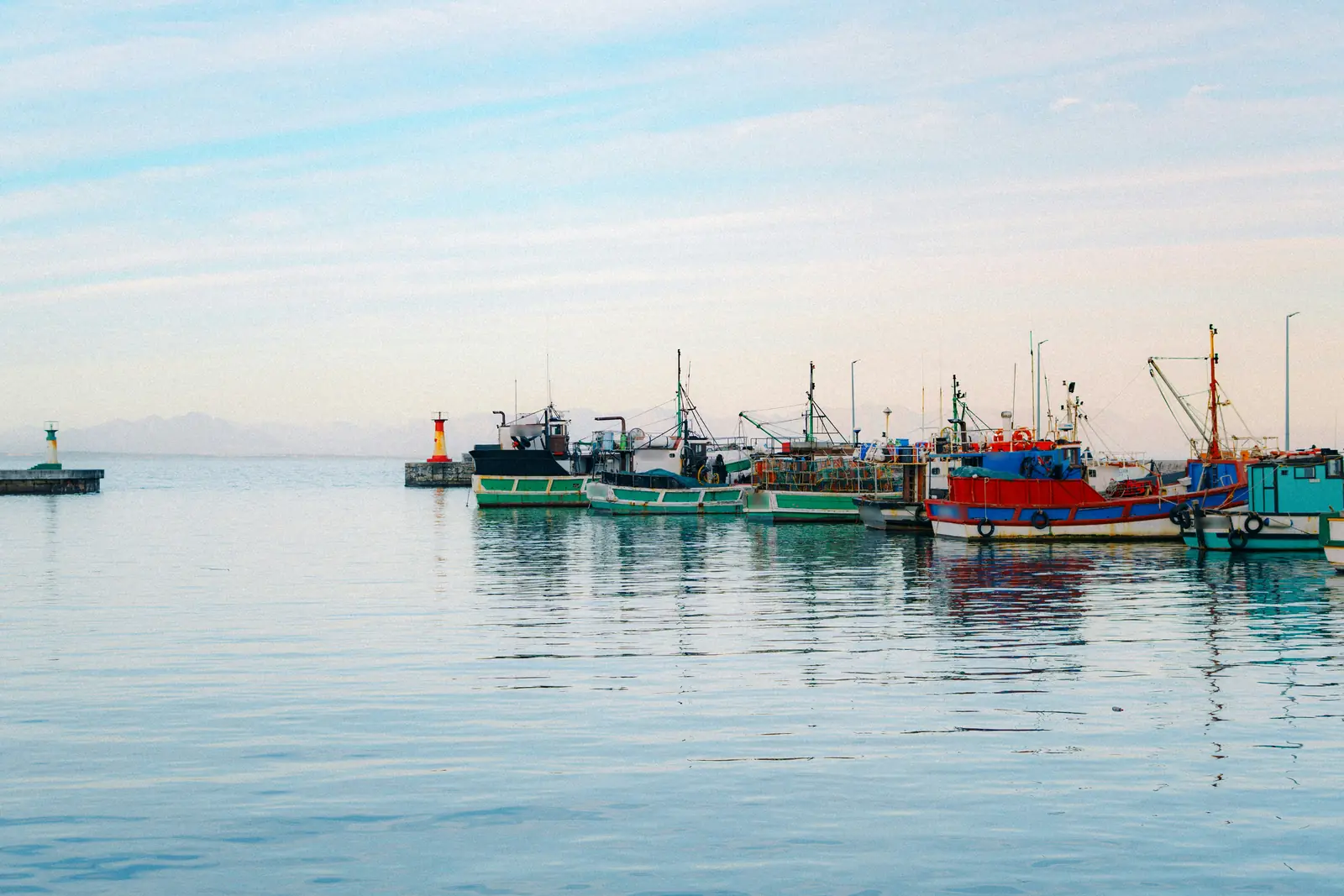
Cape Town is a city of nearly four million people. Cape Town Tourism, the city’s destination marketing body, asks visitors for “the same level of vigilance they would exercise when visiting any major city in the world”. Together with Protection and Emergency Services, Cape Town Tourism runs a Visitor Support Programme for visitors caught up in an incident.
For a client, the map is simpler than for a tourist. Treatment follows a set day, from the 06:30 wake-up to quiet hours at 22:30, with three to five clinical sessions. The programme leaves little reason to be out in the city alone or after dark.
How does the centre keep clients safe during treatment?
Renewed Life Center keeps clients safe with a gated property and staff on site 24 hours a day. International clients are a primary focus of our practice. The transfer from Cape Town International Airport, a medical assessment by our resident GP and family therapy by video are all part of the programme.
What a stay at our centre includes
- A gated property in Lakeside, with staff on site around the clock
- The transfer from Cape Town International Airport, included in the fee
- A medical assessment by our resident GP, backed by our 24-hour medical team
- Medical detox with 24-hour nursing supervision where clinically indicated
- Family therapy sessions, also by video, for relatives at home
- A written relapse-prevention plan for the client’s home environment at discharge
Our clinical team includes a GP with a special focus on mental health and emergency medicine. Our head of psychology has worked in the addictions field for more than two decades. An addiction counsellor on the team has led treatment centres in the UK and Switzerland. Dutch-speaking staff support clients from the Netherlands.
The FCDO guide describes what a facility used to foreign patients does. The list includes arranging “your transport from the airport to the facility” and offering “a suitable programme if you have a dual diagnosis”. At Renewed Life Center, the airport transfer is part of the fee. Depression, anxiety and trauma are treated in the same place as the addiction, on one plan: see dual diagnosis treatment in Cape Town.
Is the road from Cape Town airport safe?
The FCDO reports “an increase in violent crime and targeted attacks to and from Cape Town airport”, including incidents involving visitors in hired cars. Drivers are advised to stay on the M3 and N2 rather than the R300. Clients coming to Renewed Life Center do not drive or book a ride on arrival, because the airport transfer is included.
A pre-arranged transfer covers the airport risks the advice describes. The FCDO suggests having your hotel or tour operator meet you where possible. The same page warns about “unregulated drivers posing as Uber or other taxi app drivers, especially at airports”.
Relatives who fly in later can plan the same way. Cape Town Tourism’s airport safety guide recommends the M5 and N2, or the M3 and N2, between the airport and the Southern Suburbs. Among its high-risk spots are the N2 off-ramps onto Borcherds Quarry Road and the R300.
What medical care is available near the centre?
Medical care starts at the centre: every client has a medical assessment by our resident GP. Detox runs with 24-hour nursing supervision where clinically indicated. For hospital care, the FCDO says South Africa has “a very high standard of private medical care”, and Mediclinic Constantiaberg in the Southern Suburbs runs a 24-hour emergency centre.
Mediclinic Constantiaberg is a private hospital in Plumstead. The hospital’s emergency centre “is staffed by Emergency Physicians”, and Mediclinic says it treats “both local and international patients”. At our centre, a psychiatrist selects medication where it is needed, and medical detox begins with a risk assessment before withdrawal starts.
Before you fly: check that your travel insurance covers
- emergency medical treatment and medical evacuation
- illness linked to addiction, including a relapse
- the whole length of the stay
Treatment fees are paid privately and are separate from travel insurance.
Emergency in South Africa: save these numbers and call
- 112 from a mobile phone
- 10177 for an ambulance
- 10111 for the police
- 107 from a landline in Cape Town
The insurance checklist follows the FCDO. The FCDO health advice asks for cover for “local treatment or unexpected medical evacuation”. The FCDO rehab guide goes further: “are you covered if you suffer a relapse or need medical treatment linked to an addiction?” The UK and South Africa have no reciprocal healthcare agreement, and the US advisory also recommends insurance before you travel.
Doctors and psychologists in South Africa must register with the Health Professions Council of South Africa (HPCSA). The South African government states that HPCSA registration “is a pre-requisite for professional practice”.
How can families stay safe when visiting Cape Town?
Families visiting Cape Town can stay safe the way they would in any large city. Plan the airport route, keep valuables out of sight, avoid walking alone after dark and save the emergency numbers above. The US and UK advice and Cape Town Tourism agree on these basics, with a few extra tips for the mountain and the sea.
Cape Town tips for visiting relatives
- Book airport transport before you fly. If you use a ride app, match the car and driver to the app before you get in.
- Keep phones, watches and jewellery out of sight, and use ATMs in well-lit, safe places.
- Ask your hosts where to go after dusk, and avoid walking alone at night.
- On Table Mountain, hike in a group of four or more on busy, marked trails, and start back well before dark.
- At the beach, swim between the red and yellow flags and follow the lifeguards.
- Avoid driving outside the city at night.
For hikes, the FCDO advises visitors to “avoid quieter areas of the park, especially during early mornings and evenings”. Cape Town Tourism suggests saving the Table Mountain National Park emergency number, +27 861 106 417, before setting off. In Cape Town, the precautions are the ones you would take in London or New York.
The time difference is small. Cape Town runs on South African Standard Time, which the National Metrology Institute of South Africa defines as UTC plus two hours. The city is one or two hours ahead of London and six or seven hours ahead of New York, depending on the season. Family therapy sessions by video fit into a normal day.
Why do families from the UK and US choose rehab in Cape Town?
Families choose rehab in Cape Town for distance from home and its triggers, privacy, good medical care and a lower cost than private care in the UK. The FCDO guide names the same benefits: “anonymity”, “an opportunity to remove oneself from triggers”, “high quality medical care” and “lower cost compared to the UK”.
At Renewed Life Center the programme runs in phases of one month, with two months the recommended standard, and the fee covers therapy, meals, medical detox where it is clinically indicated and airport transfers in both directions. We send the fee and the list of what it covers after a first conversation, which is free, takes 20 to 40 minutes and commits you to nothing. For what private care costs at home, read rehab costs in the UK and in the US.
From first call to arrival in Cape Town
-
A free first call
Twenty to forty minutes by WhatsApp, video or phone. The call is confidential, with no obligation.
-
A clinical assessment
A pre-admission assessment of 45 to 90 minutes, within three days.
-
Flight and transfer
Admission typically follows seven to fourteen days after first contact. Return flights from London usually cost £600 to £900 and are booked separately; the airport transfer is included.
For the daily routine, read what happens in rehab, day by day. If the person you are worried about has not agreed yet, start with how to talk to a loved one about rehab.
Book a free, confidential call: 20 to 40 minutes by WhatsApp, video or phone, with no obligation. We reply the same day.
Questions people ask
Cape Town Tourism lists Uber among the ways to get around the city. At airports, the FCDO warns about drivers posing as Uber drivers. Check that the car, number plate and driver match the app, and wait in a designated pick-up area where there is one.
No. The UK’s National Travel Health Network and Centre (NaTHNaC) places South Africa’s malaria risk in parts of Mpumalanga, Limpopo and KwaZulu-Natal. Cape Town Tourism calls the city “a malaria-free area” and says it is “perfectly safe to drink tap water in Cape Town”. Check vaccine advice at least 8 weeks before the trip, as the FCDO suggests.
Sign up for alerts before the flight. The FCDO emails subscribers when its South Africa advice changes, and US citizens can enrol in the State Department’s Smart Traveler Enrollment Program (STEP). In Cape Town, the British Consulate-General serves British nationals, and the US Consulate General helps Americans with emergencies.
Private rehab in South Africa is voluntary, the FCDO notes, so an adult can choose to leave. The FCDO guide advises anyone at risk of relapse to stay at the facility until the planned flight home. If the wish to leave comes up, raise it with the clinical team straight away and bring it into the family sessions.
Family visits, the airport pickup and medical cover are explained step by step in our guide to private rehab abroad from the UK.
This article is general information, not medical advice.
Sources
- UK Foreign, Commonwealth and Development Office (FCDO): South Africa, rehabilitation, recovery and residential treatment (published 1 August 2024)
- FCDO: South Africa travel advice, health
- US Department of State: travel advisories for all countries (checked 17 September 2026)
- US Department of State: South Africa travel advisory, Level 2 (issued 27 May 2025)
- FCDO: South Africa travel advice, warnings and insurance (updated 8 July 2026)
- FCDO: South Africa travel advice, safety and security
- Cape Town Tourism: safety in Cape Town
- Cape Town Tourism: safety tips when travelling from Cape Town International Airport (January 2026)
- Mediclinic Constantiaberg: medical services, emergency centre
- South African Government: register as a health professional (HPCSA)
- National Metrology Institute of South Africa (NMISA): South African Standard Time
- National Travel Health Network and Centre (NaTHNaC), TravelHealthPro: South Africa
- Cape Town Tourism: health and medical information for Cape Town
Thinking about Cape Town for someone you love? Ask us anything first.
A free first conversation, the airport transfer included in the fee, and admission that can be immediate and typically happens within three days of first contact.
Free first conversation of 20 to 40 minutes, by WhatsApp, video or phone. We reply the same day.
Leave a request for consultation
Tell us a little about the situation. The first conversation is free and confidential, and we reply the same day.